Subscribe for all my updates and don't miss a thing! Sign me up!
Claude Mckay
Jamaican Poet Extraordinaire!
Sharing Is Caring! Share this awesome content with your friends now.

New! See the real Jamaica in VIDEOS!
Click Here and see why over 140,000 fans are raving about my YouTube Channel!
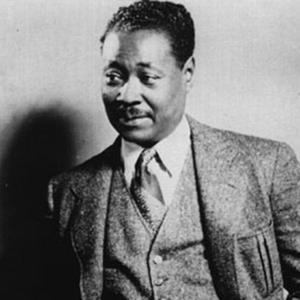
I took great pride in writing this article on Claude Mckay, not only because he is a world famous Jamaican, but because I can relate to his humble beginnings.
New! How much do you love Jamaica?
Join our growing list of well-thinking Jamaica-loving folks who are demonstrating what a friendly, helpful and fun Jamaican community looks like. Click Here to learn more.
And, if you ever need a trustworthy and knowledgeable local guide, consider booking a private tour with us!
 |
Born in James Hill, Clarendon on 15th September, 1889, he began writing poetry as a schoolboy. He worked as a policeman in Spanish Town and when he was twenty-two had his first volume of poems, Songs of Jamaica (1912) published.
In 1912 McKay moved to the United States where he attended Tuskegee Institute in Alabama and Kansas State University. He continued to write poetry and in 1918 his work was praised by both Frank Harris and Max Eastman. The following year, his poem, If We Must Die, was published in Eastman's journal, The Liberator.
Frank Harris encouraged McKay to obtain writing experience in England. In 1919, McKay travelled to England where he met George Bernard Shaw who introduced him to influential left-wing figures in journalism.
This included Sylvia Pankhurst, who recruited him to write for her trade union journal, Workers' Dreadnought. While in London McKay read the works of Karl Marx and becomes a committed socialist.
In 1921 McKay returned to New York and became associate editor of The Liberator. Over the next year the journal published articles by McKay such as How Black Sees Green and Red and He Who Gets Slapped. He also published his best known volume of verse, Harlem Shadows (1922).
In 1922 McKay went to Third International in Moscow where he represented the American Workers Party. He stayed in Europe where he wrote Trial by Lynching: Stories About Negro Life in America (1925) and Home to Harlem (1928), a novel about a disillusioned black soldier in the US Army who returns from the Western Front to live in a black ghetto; which incidentally was the most popular by a black American.
This was followed by other novels such as Banjo (1928), Gingertown (1932) and Banana Bottom (1933).
McKay gradually lost faith in communism and returned to the United States in 1934. Employment was difficult to find and for a while he worked for the Federal Writers' Project. McKay's published work during this period included his autobiography, A Long Way From Home (1937) and Harlem: Negro Metropolis (1940).
Unable to make a living from writing, McKay found work in a shipbuilding yard. In 1943 he suffers a stroke and the following year was baptized into the Roman Catholic faith.
In 1945 his essay, On Becoming a Roman Catholic, was published. Claude McKay died in Chicago on 22nd May, 1948.
Three of his selected quotes includes:
- 'Idealism is like a castle in the air if it is not based on a solid foundation of social and political realism.'
- 'Nations, like plants and human beings, grow. And if the development is thwarted they are dwarfed and overshadowed.'
- 'If a man is not faithful to his own individuality, he cannot be loyal to anything.'
For an even more detailed biography of this famous Jamaican, visit this Wikipedia webpage.
Here too are some of his most adored poems courtesy of PoemHunter.com.
You might like these
Jamaican Poetry - An Insight Into Its History And Development
An insight into the history and development of Jamaican Poetry - a must read
Jamaican Poems - These Are The Best - In My Opinion
These are my top picks - my favourite Jamaican poems! And now you can also share your own masterpiece
Jamaican Poets Who Impacts The World
Here they are, famous Jamaican Poets who made significant contributions on the world stage.

Sharing IS Caring! Please help me get the message out by sharing this article with your friends on social media (links below). Thnx ;-)
If you found this page useful, please consider subscribing to my weekly newsletter, to get even more.
It tells you each week about the new information that I have added, including new developments and great stories from lovers of Jamaica!
Return to Jamaican Poets from Claude McKay
Return to My Island Jamaica Homepage from Claude McKay
References & Sources For Claude McKay
- Claude McKay, https://spartacus-educational.com/ARTmckay.htm
New! Get My Latest Book👇🏿
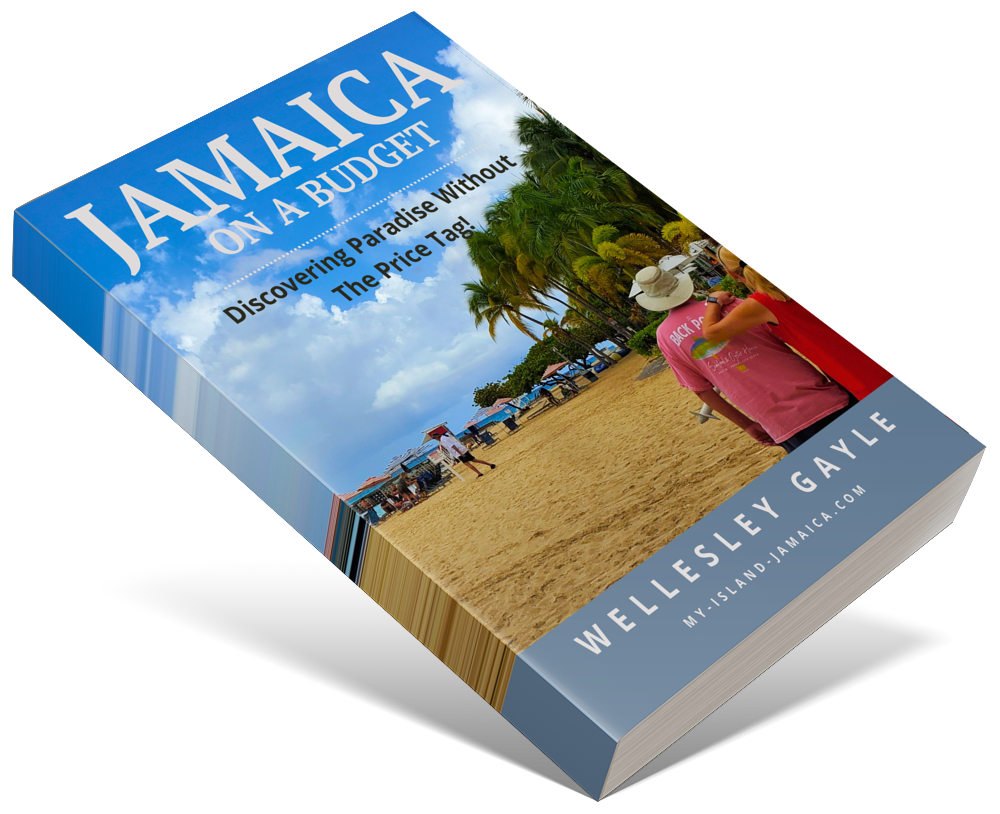 |
You asked, I've answered! You no longer need to save for months or years, to enjoy paradise! I spilled the beans! sharing my top tips on finding cozy accommodations and secret gems, only the way a native could! Click Here to pick it up on my e-store and start saving now! |
See The Best Of Jamaica - In Videos!
 |
My channel reaches over 140,000 subscribers worldwide and has leveraged over 11 million views, sharing, what I call 'The Real Jamaica'. Subscribe today and join our family of viewers. |

Read More ...
New! Experience The REAL Jamaica!
Book Your Private Tour here and experience Jamaica the way we (locals) do!
P.S. Didn't find what you were looking for?
Still need help?
Click Here to try our dependable and effective Site Search tool. It works!
Or, simply click here and here, to browse my library of over 500 questions and answers! Chances are someone already asked (and got an answer to) your question.






NEW!
Join the growing list of well-thinking, Jamaica-Loving folks in our vibrant Private Community
👇🏿

Featured Video!

Travelling To Jamaica?
Read this BEFORE you go
👇🏿
New Here?
I recommend you START HERE to enjoy the best of this website!
New! For Authentic Jamaican products, from my very own hands, visit my Etsy store here.
Recent Articles


-
Medical Scholarships in Jamaica
Apr 23, 24 04:21 PM
 Pursuing a career in medicine is a noble aspiration, however it is quite expensive. These medical scholarships in Jamaica helps to ease the financial burden.
 -
Why Do People Like Jamaica So Much?
Apr 23, 24 03:00 PM
 Jamaica is one of the top vacation destinations in the Caribbean, which may have you wondering, why do people like Jamaica so much?
 -
How To Become A Realtor In Jamaica?
Apr 20, 24 12:09 PM
Are you eyeing the real estate business but not sure how to become a realtor in Jamaica? This is all you need to know to get started. -
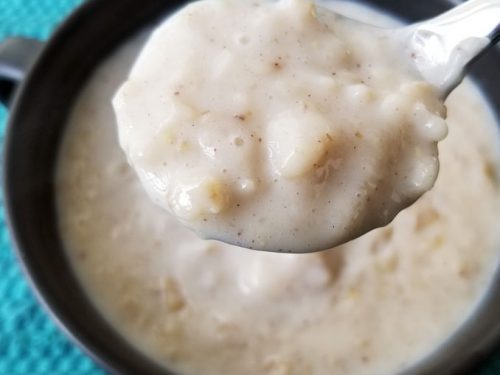
Jamaican Oats Porridge Recipe! Simple and Delicious
Apr 19, 24 01:49 PM
 Yes! Oats porridge, the breakfast of champions! This simple dish is a go-to for most of us. Don’t you want to give the Jamaican Oats Porridge recipe a try?
 -
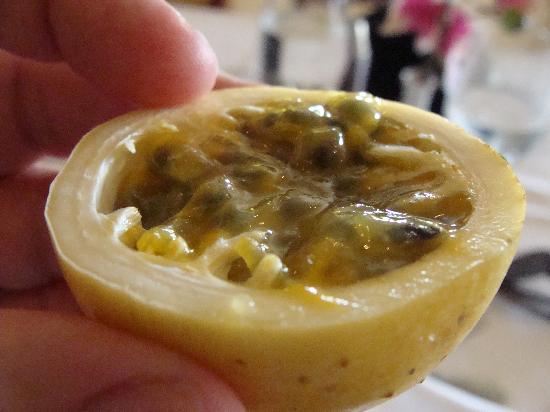
Jamaican Passion Fruit Juice | Refreshing, Delicious, Nutritious!
Apr 18, 24 05:14 PM
 Summer is fast approaching. We’ll need many refreshing drinks to take through the warm sunny weather. Why not add Jamaican passion fruit juice to the list?




About The Author

A patriotic Jamaican who adores its culture, Wellesley has been using this medium to share what he calls 'the uniqueness of Jamaica with the world' since April 2007.
To date, he serves over 9,300 unique readers / viewers per day (and over 1.1millon page views monthly)
His efforts have earned this site featured positions in local publications, including the Jamaica Gleaner's Hospitality Jamaica, Carlong Publishers, as well as recognition from numerous prestigious international agencies and universities. Read more about him here.
He invites you to subscribe to this site to stay updated on all the latest and check out his unique Jamaican products on his e-store.
If you are on social media, here are the links to follow his latest posts:
You are also invited to join his exclusive JAMHearts community where like-minded Jamaican enthusiasts discuss all things Jamaican.
Didn't Find What You Are Seeking?
Do a quick site search here:
New! Comments
Have your say about what you just read! Leave me a comment in the box below.