Subscribe for all my updates and don't miss a thing! Sign me up!
The Smart, Beautiful and Conspicuous Jamaican Iguana
Sharing Is Caring! Share this awesome content with your friends now.

New! See the real Jamaica in VIDEOS!
Click Here and see why over 140,000 fans are raving about my YouTube Channel!
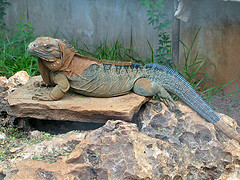
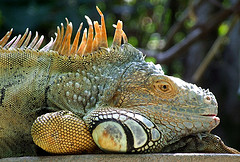
The Jamaican Iguana, contributed by Tracie Blake
Posted: 11/10/08, updated: 7/8/14
These are harmless, beautiful creatures which were very common in Jamaica until the mongoose were brought here to eradicate snakes and rats on the sugar estates.
The mongoose however, ended up hunting and feasting on the Iguana as well. They then retreated further inland and were not discovered again until 1990..
The Jamaican iguana's, Cyclura collei, is derived from the Greek words cyclos meaning "circular" and urus meaning "tail", after the thick ringed tail characteristic of all Cyclura iguanas. Its specific name Collei is Latin for the word "hill" and refers to the regions in which it was once found in Jamaica.
They can grow to a length of up to 16 centimeters. They are green/brown in colour with a long tail and can camouflage themselves to match their surroundings. This is essential in protecting them from their predators.
They have a comb-like horn starting at the top of their head and running all the way down to their tails.
The outer skin is scaly and tightly muscular and has hints of yellow/dark-green in different locations all over it.
It has a yellow/orange sensor under its neck which retracts inward and is used to test the temperature and to feel out its environment.
New! How much do you love Jamaica?
Join our growing list of well-thinking Jamaica-loving folks who are demonstrating what a friendly, helpful and fun Jamaican community looks like. Click Here to learn more.
And, if you ever need a trustworthy and knowledgeable local guide, consider booking a private tour with us!
It also has a long split tongue which it uses much like a snake does to taste and feel for food. They are herbivores so they feed on leaves, flowers and fruits and occasionally small insects such as grasshoppers, flies and snails.
They live in nests of up 20 Iguanas per nest. At nesting time, the female digs a hole in the ground (in an area where the sun can directly warm the ground) and fills it with dried leaves.
She then lays her eggs in the hole and covers it up and leaves it. Eggs are laid in amounts of up to 20 eggs per laying.
It takes on average 2 ½ months for the eggs to hatch and during this time, the female iguana vigilantly guards the eggs. She will snarl at and chase away any threat she sees to her eggs including the advances of the male iguanas.
The eggs then hatch all at once and the young iguanas dig their way out of the ground. They are then left to fend for themselves leaving them open to becoming prey to a lot of predators.
It is survival of the fittest for them. They spend a lot of their time on rocks in direct contact with the sun from the time they are hatched straight to adulthood.
It was once found across Jamaica, but now The Hellshire hills area in St. Catherine is the only area of Jamaica that the iguana can be found.
The Jamaican Iguanas are an endangered species and are being protected by the efforts of the Natural Resources Conservation Authority under the Wild Life Protection Act.
Based on research, it is believed that there are less than 200 left on the island. Hopefully all Jamaicans will endeavour to keep them safe.
Pages Related To The Jamaican Iguana
- The Jamaican Boa Snake
- Jamaican Animals
- Jamaican Laws
- Places to Visit
- Things to do in Jamaica
- Pictures from Jamaica
- Intriguing Facts About Jamaica
- Jamaican Products/Services
- Our Discussion Forums
- Our Jamaica Blog
Get more facts about the Jamaican Ground Iguana on Wikipeida.org
Make sure you subscribe to my free monthly e-zine My Island Jamaica Digest (MIJD) and stay with the latest from Jamaica!
Return to Plants and Animals in Jamaica from The Jamaican Iguana
Return to My Island Jamaica Homepage from The Jamaican Iguana
New! Get My Latest Book👇🏿
 |
You asked, I've answered! You no longer need to save for months or years, to enjoy paradise! I spilled the beans! sharing my top tips on finding cozy accommodations and secret gems, only the way a native could! Click Here to pick it up on my e-store and start saving now! |
See The Best Of Jamaica - In Videos!
 |
My channel reaches over 140,000 subscribers worldwide and has leveraged over 11 million views, sharing, what I call 'The Real Jamaica'. Subscribe today and join our family of viewers. |

Read More ...
New! Experience The REAL Jamaica!
Book Your Private Tour here and experience Jamaica the way we (locals) do!
P.S. Didn't find what you were looking for?
Still need help?
Click Here to try our dependable and effective Site Search tool. It works!
Or, simply click here and here, to browse my library of over 500 questions and answers! Chances are someone already asked (and got an answer to) your question.






NEW!
Join the growing list of well-thinking, Jamaica-Loving folks in our vibrant Private Community
👇🏿

Featured Video!

Travelling To Jamaica?
Read this BEFORE you go
👇🏿

New Here?
I recommend you START HERE to enjoy the best of this website!
New! For Authentic Jamaican products, from my very own hands, visit my Etsy store here.
Recent Articles


-
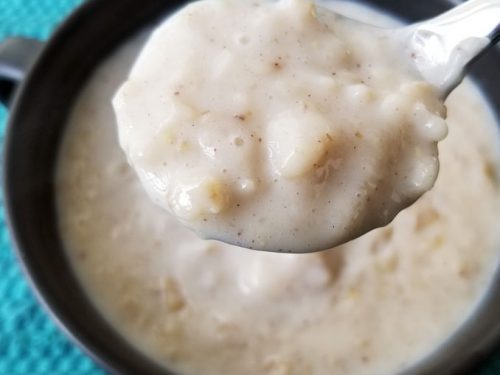
Jamaican Oats Porridge Recipe! Simple and Delicious
Apr 19, 24 01:49 PM
 Yes! Oats porridge, the breakfast of champions! This simple dish is a go-to for most of us. Don’t you want to give the Jamaican Oats Porridge recipe a try?
 -
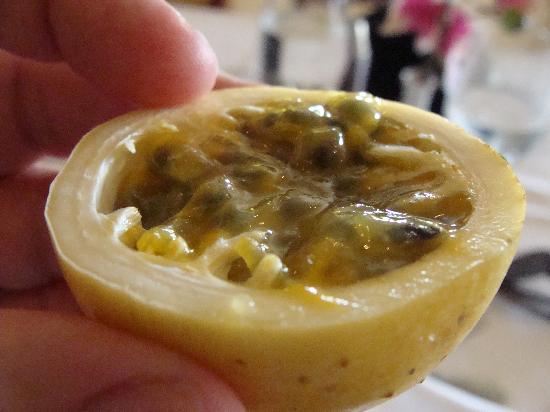
Jamaican Passion Fruit Juice | Refreshing, Delicious, Nutritious!
Apr 18, 24 05:14 PM
 Summer is fast approaching. We’ll need many refreshing drinks to take through the warm sunny weather. Why not add Jamaican passion fruit juice to the list?
 -
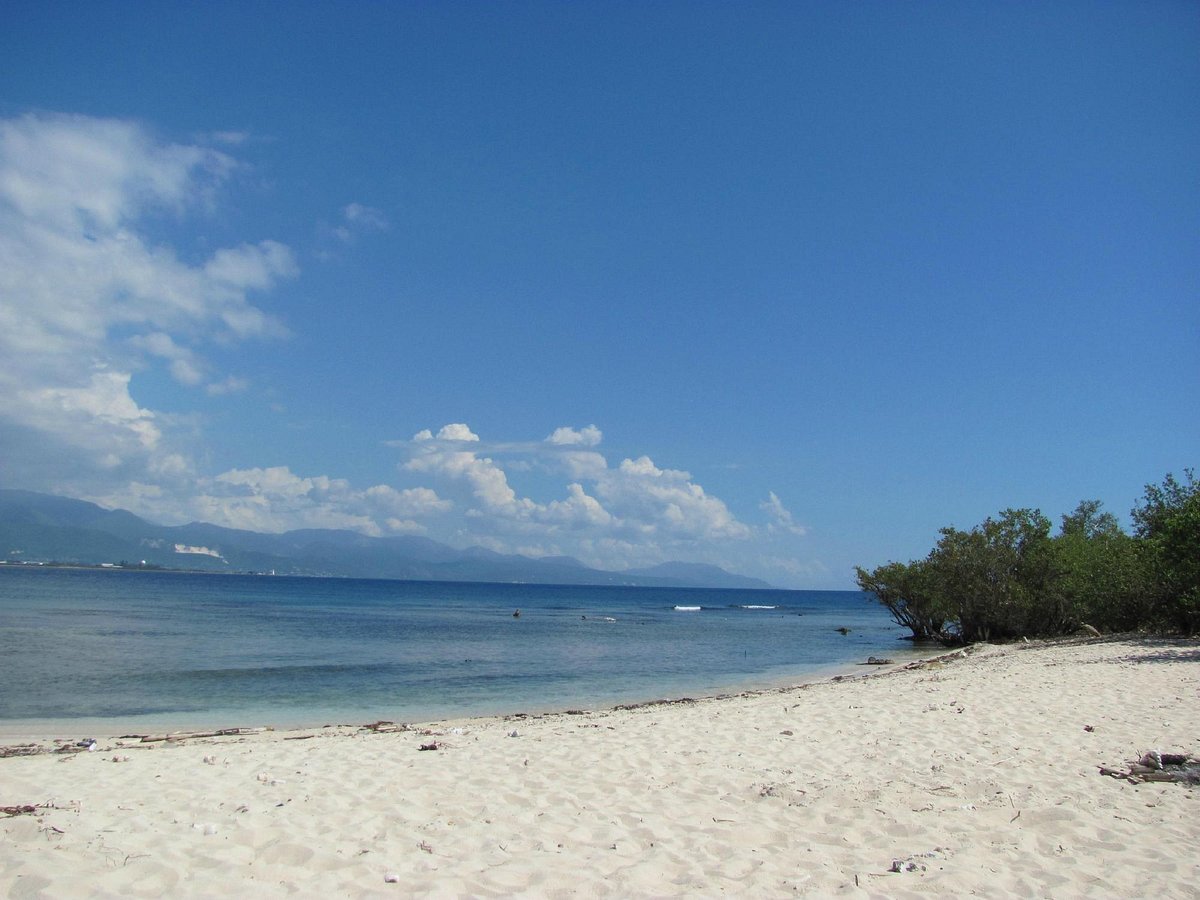
Lime Cay Jamaica | A Jamaican Beach Adventure!
Apr 18, 24 10:21 AM
I am convinced some of the most pristine beaches in the world are right here in Jamaica. Here’s one you might not have heard of, Lime Cay Jamaica! -
The Iberostar Rose Hall Beach All-Inclusive Hotel
Apr 17, 24 04:33 PM
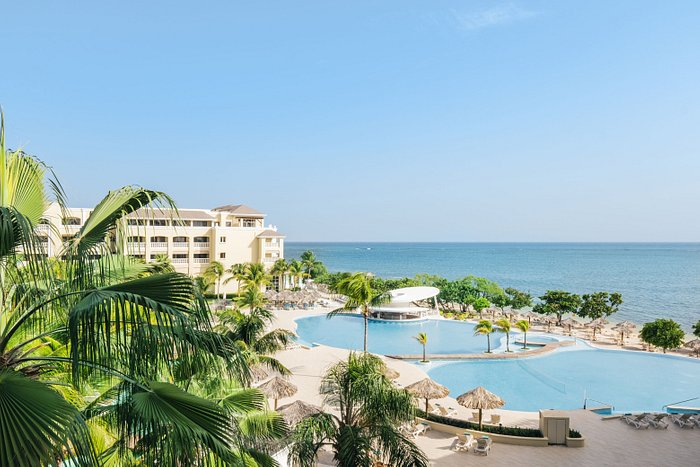
 In Montego Bay, hotels are a dime a dozen. It’s sometimes hard to choose where to stay. If you are considering Iberostar Rose Hall Beach, here’s what to expect.
 -
Must Have Experiences In Jamaica...That Don’t Include The Beach
Apr 17, 24 11:25 AM
 Jamaica boasts many beaches, of which we are immensely proud. But, take a step back from the sand and sea for some other must have experiences in Jamaica.



About The Author

A patriotic Jamaican who adores its culture, Wellesley has been using this medium to share what he calls 'the uniqueness of Jamaica with the world' since April 2007.
To date, he serves over 9,300 unique readers / viewers per day (and over 1.1millon page views monthly)
His efforts have earned this site featured positions in local publications, including the Jamaica Gleaner's Hospitality Jamaica, Carlong Publishers, as well as recognition from numerous prestigious international agencies and universities. Read more about him here.
He invites you to subscribe to this site to stay updated on all the latest and check out his unique Jamaican products on his e-store.
If you are on social media, here are the links to follow his latest posts:
You are also invited to join his exclusive JAMHearts community where like-minded Jamaican enthusiasts discuss all things Jamaican.
Didn't Find What You Are Seeking?
Do a quick site search here:
New! Comments
Have your say about what you just read! Leave me a comment in the box below.