Subscribe for all my updates and don't miss a thing! Sign me up!
The Distinctive
Language of Jamaica
Sharing Is Caring! Share this awesome content with your friends now.

New! See the real Jamaica in VIDEOS!
Click Here and see why over 140,000 fans are raving about my YouTube Channel!
The official language of Jamaica is English, Jamaican English. Standard Jamaican English is a dialect of English encompassing in a unique way, parts and mergers of both American and British English dialects.
New! How much do you love Jamaica?
Join our growing list of well-thinking Jamaica-loving folks who are demonstrating what a friendly, helpful and fun Jamaican community looks like. Click Here to learn more.
And, if you ever need a trustworthy and knowledgeable local guide, consider booking a private tour with us!
Want to learn Jamaican Language?
Click Here And Get A Simple Course
Typically, we use British English spellings but do not reject American English spellings.
Although the distinction between the two is best described as a continuum rather than a solid line, it is not to be confused with Jamaican Patois (what linguists call Jamaican Creole), nor with the vocabulary and language usage of the Rastafarian movement.
By the way, "Patois" or Patwa is a French term referring to regional languages of France, which include some Creole languages. But, in Jamaica, it refers to Jamaican Creole, which Jamaicans have traditionally seen as "broken", "bad", or incorrect Standard English.
Jamaican Standard English is grammatically similar to British Standard English. Recently, however, due to Jamaica's proximity to the United States and the resulting close economic ties and high rates of migration (as well as the ubiquity of American cultural/entertainment products such as movies, cable television and popular music), the influence of American English has been increasing steadily.
As a result, structures like "I don't have" or "you don't need" are almost universally preferred over "I haven't got" or "you needn't".
In defining the language of Jamaica, it must be noted that the most noticeable aspect of our English for speakers of other varieties of English is the pronunciation or "accent".
In many ways, the accent bears great resemblance to that of southern Ireland, particularly Cork, possibly a remnant of Jamaica's former colonial ties. Jamaican Standard pronunciation, while it differs greatly from Jamaican Patois pronunciation, is nevertheless recognizably Caribbean.
Jamaican Standard English and Jamaican Patois, however, exist side by side on the island in a typical diglossia pattern. Creole is used by most people for everyday, informal situations - it's the language most Jamaicans use at home and are most familiar with; it's also the language of most local popular music.
Jamaican English, on the other hand, is the language of education, high culture, government, the media and official/formal communications. It's also the native language of a small minority of Jamaicans (typically upper class and upper/traditional middle class).
Most writing in Jamaica is done in Standard English (including private notes and correspondence). Jamaican Patois has a standardized spelling and has only recently been taught in some schools.
As a result, the majority of Jamaicans can read and write Standard English only, and have trouble deciphering written dialect (in which the writer tries to reflect characteristic structures and pronunciations to differing degrees, without compromising readability).
Written Creole appears mostly in literature, especially in folkloristic "dialect poems"; in humoristic newspaper columns; and most recently, on internet chat sites frequented by younger Jamaicans, who seem to have a more positive attitude toward their own language use than their parents.
Jamaicans choose from the varieties available to them according to the situation. A Creole-dominant speaker will choose a higher variety for formal occasions like official business or a speech, and a lower one for relating to friends; a Standard-dominant speaker is likely to employ a lower variety when shopping at the market than at her workplace.
Code-switching can also be metaphoric (e.g., a Standard-dominant speaker switching to a lower variety for humoristic purposes, or to express solidarity).
Learn Jamaican Language The Easy Way
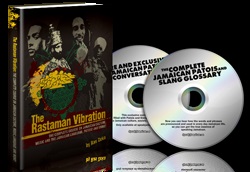 Simple Course To Learn The Language Of Jamaica
There are many literature around that can help you to learn the language.
One such is written by Ras Zuke called ' The Rastaman Vibration' a simple but detailed 27 course lesson.
You can get the course here instantly.
You might like these
Jamaican phrases - Real Examples (with a bit of history)
While English is the official language of Jamaica, Patois is spoken much more frequently and comfortably, hence the most common Jamaican phrases are almost exclusively in Patois.
The Colonial History of Jamaica | The Pieces We Tend Not To Talk About
You should know (I hope) a bit about Jamaica's independence, and surely post independence, but what do you know of the colonial history of Jamaica? Read more.
The True History of Jamaica | From Taino To Independence
From Tainos to Columbus, and then to Independence. This recorded history of Jamaica is quite an entralling story. Follow me for some interesting insights.
Sharing IS Caring! Please help me get the message out by sharing this article with your friends on social media (links below). Thnx ;-)
If you found this page useful, please consider subscribing to my weekly newsletter, to get even more.
It tells you each week about the new information that I have added, including new developments and great stories from lovers of Jamaica!
Return to Jamaican Patois from Language of Jamaica
Return to My Island Jamaica Homepage from Language of Jamaica
References & Sources For Language of Jamaica
- Jamaican Patois - Wikipedia, https://en.wikipedia.org/wiki/Jamaican_Patois
Language of Jamaica | Updated: August 3, 2022
New! Get My Latest Book👇🏿
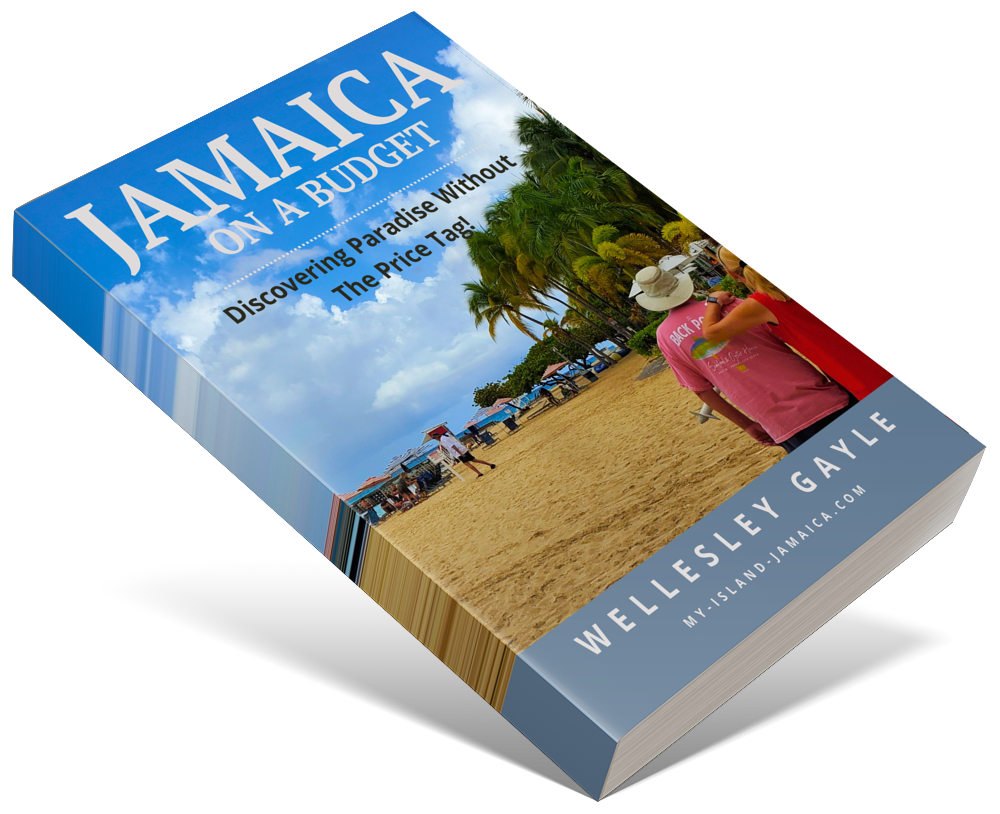 |
You asked, I've answered! You no longer need to save for months or years, to enjoy paradise! I spilled the beans! sharing my top tips on finding cozy accommodations and secret gems, only the way a native could! Click Here to pick it up on my e-store and start saving now! |
See The Best Of Jamaica - In Videos!
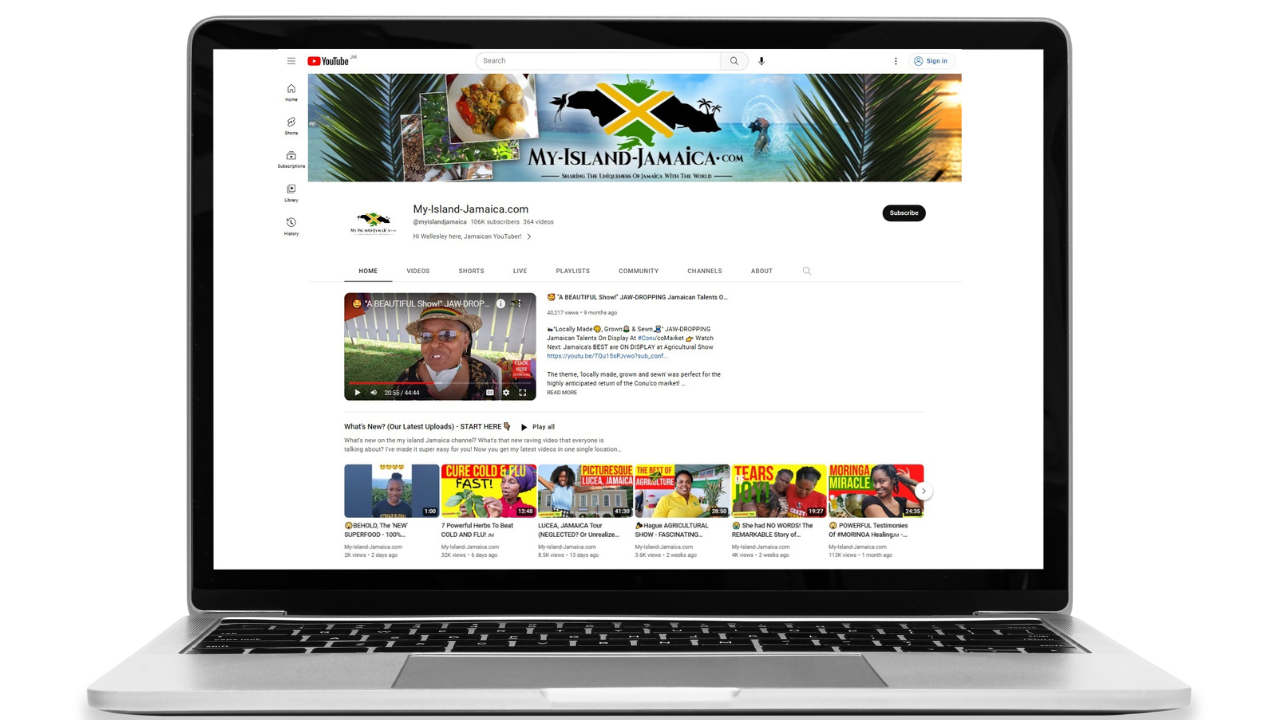 |
My channel reaches over 140,000 subscribers worldwide and has leveraged over 11 million views, sharing, what I call 'The Real Jamaica'. Subscribe today and join our family of viewers. |

Read More ...
New! Experience The REAL Jamaica!
Book Your Private Tour here and experience Jamaica the way we (locals) do!
P.S. Didn't find what you were looking for?
Still need help?
Click Here to try our dependable and effective Site Search tool. It works!
Or, simply click here and here, to browse my library of over 500 questions and answers! Chances are someone already asked (and got an answer to) your question.






NEW!
Join the growing list of well-thinking, Jamaica-Loving folks in our vibrant Private Community
👇🏿

Featured Video!

Travelling To Jamaica?
Read this BEFORE you go
👇🏿
New Here?
I recommend you START HERE to enjoy the best of this website!
New! For Authentic Jamaican products, from my very own hands, visit my Etsy store here.
Recent Articles


-
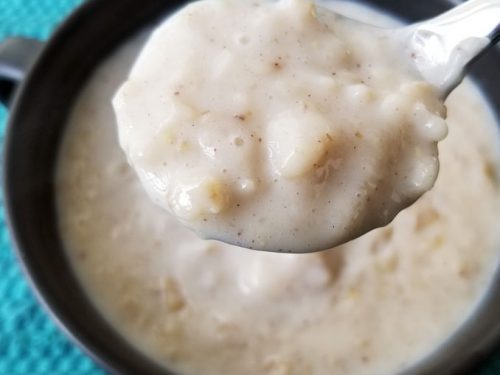
Jamaican Oats Porridge Recipe! Simple and Delicious
Apr 19, 24 01:49 PM
 Yes! Oats porridge, the breakfast of champions! This simple dish is a go-to for most of us. Don’t you want to give the Jamaican Oats Porridge recipe a try?
 -
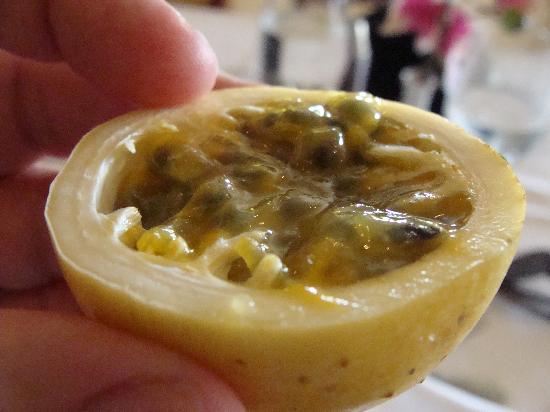
Jamaican Passion Fruit Juice | Refreshing, Delicious, Nutritious!
Apr 18, 24 05:14 PM
 Summer is fast approaching. We’ll need many refreshing drinks to take through the warm sunny weather. Why not add Jamaican passion fruit juice to the list?
 -
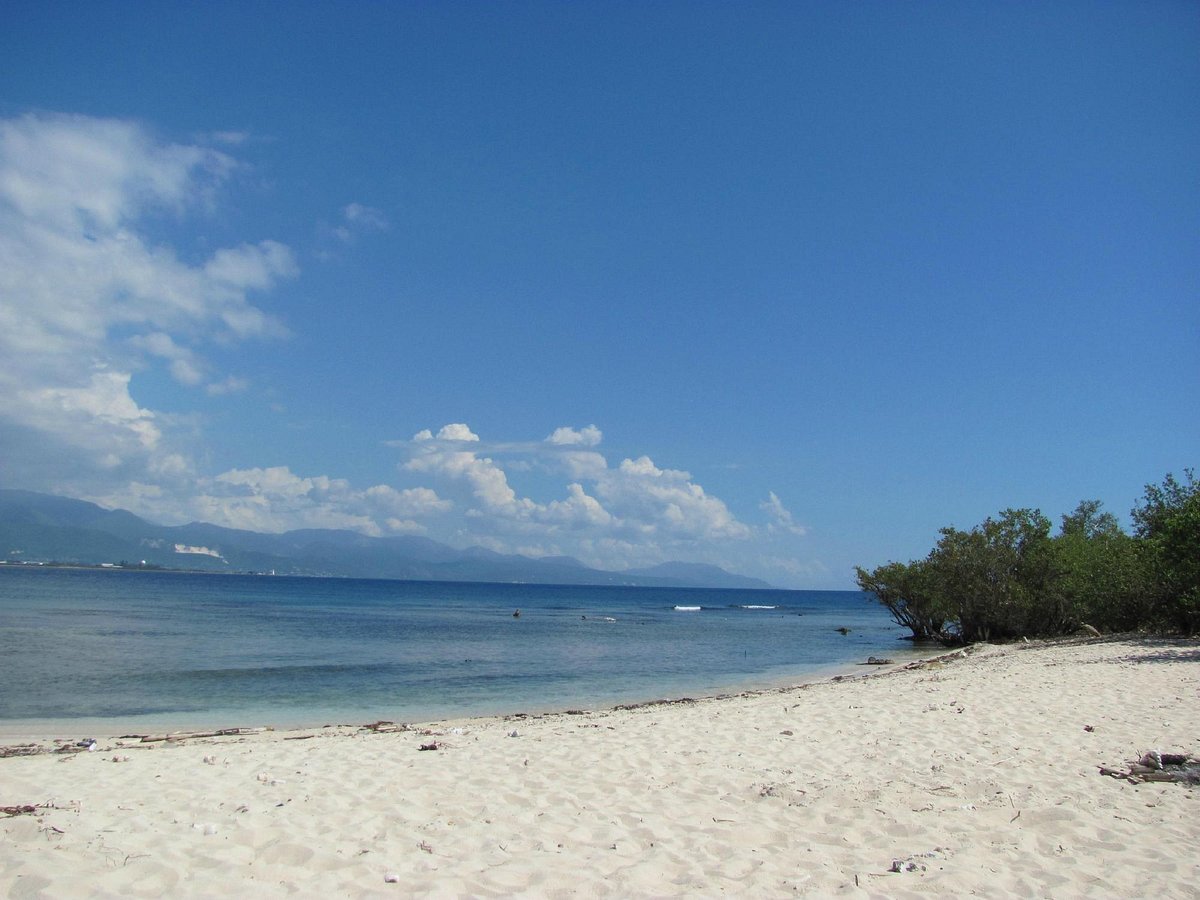
Lime Cay Jamaica | A Jamaican Beach Adventure!
Apr 18, 24 10:21 AM
I am convinced some of the most pristine beaches in the world are right here in Jamaica. Here’s one you might not have heard of, Lime Cay Jamaica! -
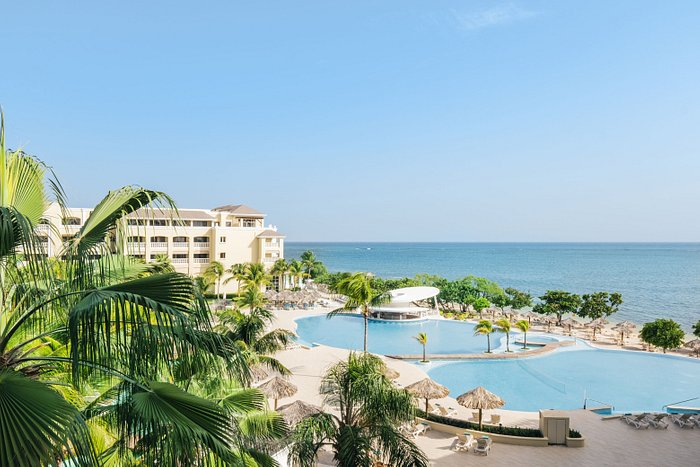
The Iberostar Rose Hall Beach All-Inclusive Hotel
Apr 17, 24 04:33 PM
 In Montego Bay, hotels are a dime a dozen. It’s sometimes hard to choose where to stay. If you are considering Iberostar Rose Hall Beach, here’s what to expect.
 -
Must Have Experiences In Jamaica...That Don’t Include The Beach
Apr 17, 24 11:25 AM
 Jamaica boasts many beaches, of which we are immensely proud. But, take a step back from the sand and sea for some other must have experiences in Jamaica.

About The Author

A patriotic Jamaican who adores its culture, Wellesley has been using this medium to share what he calls 'the uniqueness of Jamaica with the world' since April 2007.
To date, he serves over 9,300 unique readers / viewers per day (and over 1.1millon page views monthly)
His efforts have earned this site featured positions in local publications, including the Jamaica Gleaner's Hospitality Jamaica, Carlong Publishers, as well as recognition from numerous prestigious international agencies and universities. Read more about him here.
He invites you to subscribe to this site to stay updated on all the latest and check out his unique Jamaican products on his e-store.
If you are on social media, here are the links to follow his latest posts:
You are also invited to join his exclusive JAMHearts community where like-minded Jamaican enthusiasts discuss all things Jamaican.
Didn't Find What You Are Seeking?
Do a quick site search here:
New! Comments
Have your say about what you just read! Leave me a comment in the box below.