Subscribe for all my updates and don't miss a thing! Sign me up!
Glossary of Jamaican Herbs and Fruits
What Do We Call Them in Jamaica?
Sharing Is Caring! Share this awesome content with your friends now.


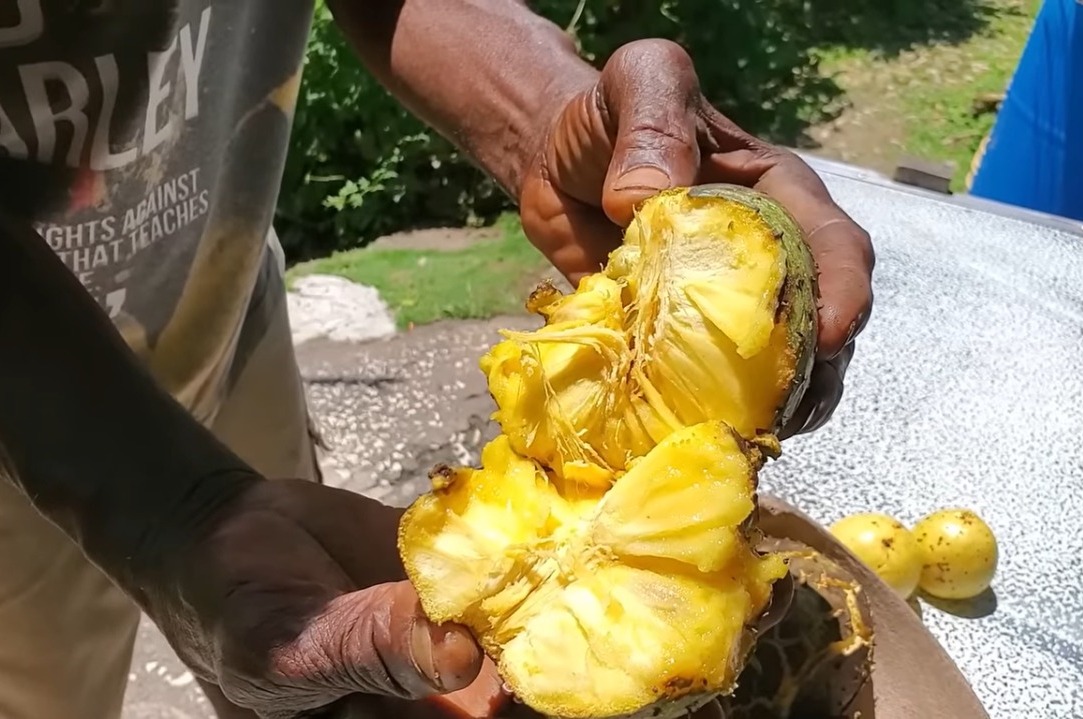 The Jamaican Mountain Sop | Glossary Of Jamaican Herbs and Fruits
Have you ever heard a Jamaican talking about bissy, cerasee, guinep, naseberry or sweetsop and wondered what on earth we were talking about?
You're certainly not alone.
Here in Jamaica, many of our herbs and fruits have local or traditional names that can be quite different from the names used elsewhere. What we call pear, for example, you probably call avocado.
Our naseberry is known elsewhere as sapodilla. And if a Jamaican offers you a cup of fever grass tea, don't worry - the grass doesn't have a fever! We're talking about lemongrass. :-)
That's why I created this Glossary of Jamaican Herbs and Fruits.
New! Take a piece of Jamaica with you💃!
Savour the memories! Now you can get your authentic Jamaican souvenir items, as well as traditional Jamaican herbs, spices and housewares on our popular e-store. Click Here to learn more.
And, if you ever need a trustworthy and knowledgeable local guide, consider booking a private tour with us!
This isn't intended to replace my more detailed 101 Medicinal Herbs of Jamaica guide. Think of this page instead as your quick A–Z reference for identifying Jamaican herbs, fruits and a few other useful plants you may hear about while exploring the island.
Ready?
Let's start with...
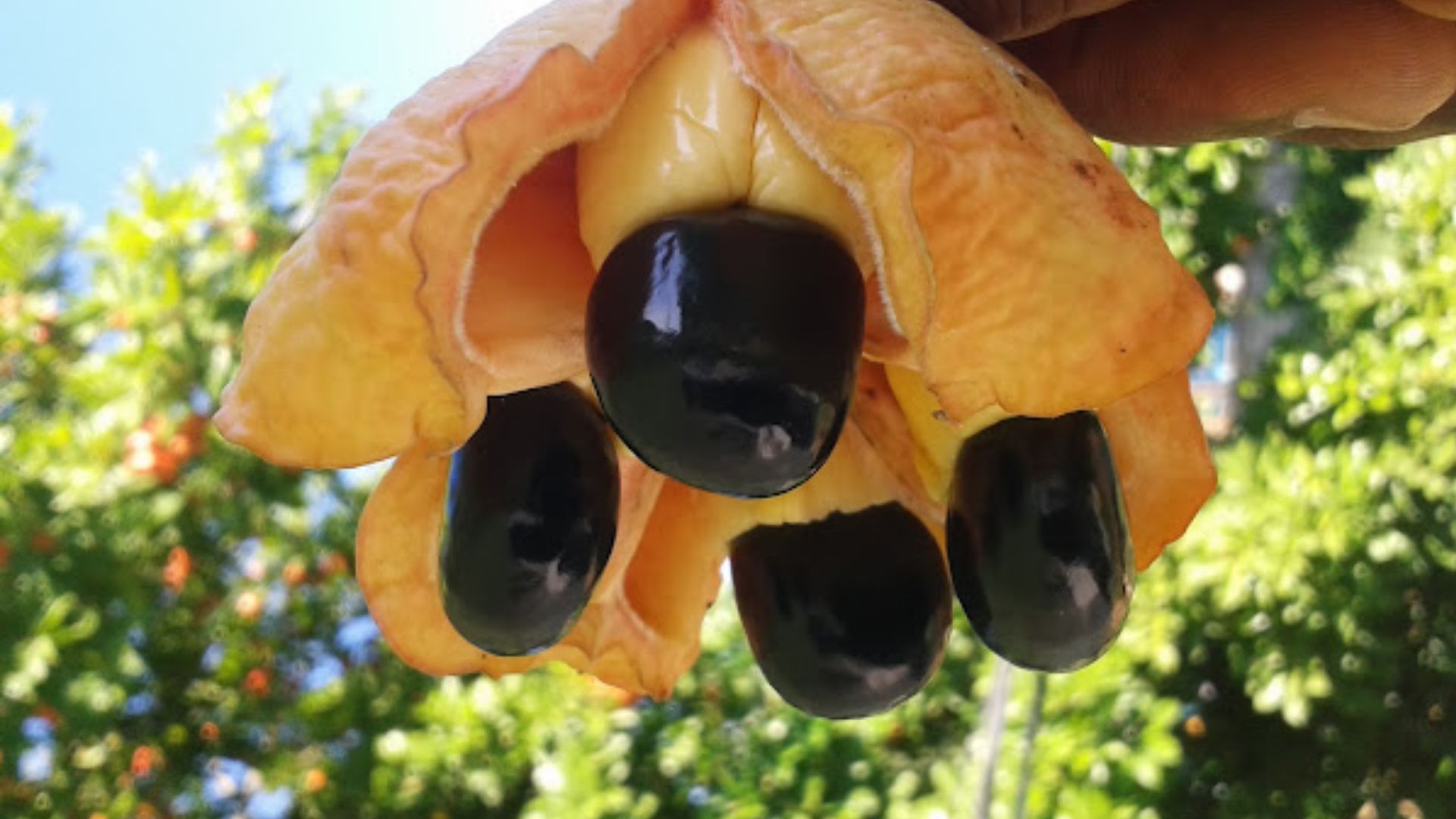 Jamaican Ackee Fruit
A
Ackee (Blighia sapida) — Jamaica's national fruit and, of course, half of our famous "ackee and saltfish" dish. Only properly ripened ackee arils are eaten; unripe ackee can be dangerously toxic.
Aloe Vera (Aloe vera) — A succulent widely grown in Jamaica. The clear inner gel is traditionally used externally, especially on the skin. Don't confuse the clear gel with the bitter yellow latex beneath the skin.
Annatto (Bixa orellana) — Also called achiote. The brilliant reddish-orange seeds have traditionally been used for colouring and seasoning foods.
Avocado (Persea americana) — We usually call it pear in Jamaica. So if a Jamaican asks whether you'd like pear with your breakfast, don't expect a Bartlett!
B
Bamboo (Bambusa spp.) — Tall, fast-growing grasses familiar throughout Jamaica, particularly along rivers and in wetter areas. Bamboo leaves also appear in Jamaican herbal traditions.
Bissy (Cola acuminata) — Also known as kola nut. Bissy has a long history in Jamaican folk tradition and is commonly grated or powdered and prepared as tea.
Bitterwood (Picrasma excelsa) — Just as the name suggests, this Jamaican tree is extremely bitter. Its bark has a long history in traditional Jamaican herbal preparations.
Breadfruit (Artocarpus altilis) — A large starchy fruit that we roast, fry, boil or bake. Roasted breadfruit with ackee and saltfish is one combination you should definitely try while you're here.
C
Callaloo (Amaranthus viridis and related Amaranthus species) — A leafy green vegetable that's a regular part of Jamaican cooking. Jamaicans steam it, cook it with saltfish and use it in many other dishes.
Cerasee (Momordica charantia) — One of Jamaica's best-known traditional bush teas—and certainly one of the bitterest! It's the same species that produces bitter melon or bitter gourd.
Chaney Root / Chainy Root (Smilax balbisiana) — A woody root frequently associated with Jamaican roots drinks and traditional herbal preparations.
Coconut (Cocos nucifera) — Hardly needs an introduction! We use coconut water, coconut milk, coconut oil and the flesh itself in countless Jamaican foods and drinks.
Custard Apple (Annona reticulata) — A sweet, soft-fleshed tropical fruit belonging to the same Annona family as sweetsop and soursop.
D
Dandelion (Taraxacum officinale) — Better known internationally than some of our Jamaican herbs, but dandelion is also sold and used here as a herbal tea.
Dog Blood (Rivina humilis) — Yes, that's really what we call it! A small plant with bright red berries known in Jamaican folk-herbal tradition. The name refers to the plant, not an ingredient.
Duck Flower (Aristolochia grandiflora) — A spectacular tropical vine with an enormous, unusual flower. It has become popular in herbal circles.
F
Fever Grass (Cymbopogon citratus) — What much of the world calls lemongrass. Here in Jamaica, fever grass tea is one of those traditional drinks many of us grew up knowing.
French Thyme / Cuban Oregano (Plectranthus amboinicus) — A strongly aromatic plant with thick, fleshy leaves. Depending on where you are in Jamaica, you may hear several names for it.
G
Ginger (Zingiber officinale) — Jamaican ginger is famous for its strong aroma and flavour. We use it in tea, cooking, juices, baked goods and traditional roots preparations.
Guaco (Mikania spp.) — A climbing plant known in Caribbean and Latin American herbal traditions. Because several plants may be called guaco, proper identification matters.
Guava (Psidium guajava) — A wonderfully fragrant tropical fruit eaten fresh and used for juices, jams and jellies. Guava leaves also have a place in Jamaican bush-tea tradition.
Guinea Hen Weed (Petiveria alliacea) — A strongly scented herb widely known in Jamaican traditional herbal culture. It is also called anamu in parts of Latin America and the Caribbean.
Guinep (Melicoccus bijugatus) — One of my favourites! Crack open the green shell and you'll find sweet-to-tart, jelly-like flesh around a large seed. Once you start eating a bunch of guineps, stopping is another matter entirely.
H
Hog Plum (Spondias mombin) — A small yellow tropical fruit with a large seed and a distinctive sweet-tart flavour.I
Irish Moss (Chondrus crispus and other seaweeds sold under the name) — Used in Jamaica to make the thick, sweet drink many of us simply call Irish moss. The name is also used commercially for several seaweeds, so species can vary.
J
Jackfruit (Artocarpus heterophyllus) — One of the world's largest tree fruits. Inside that enormous rough exterior are sweet yellow bulbs surrounding large seeds.
Jamaican Apple / Otaheite Apple (Syzygium malaccense) — A beautiful red, bell-shaped fruit with crisp, juicy flesh. When a Jamaican talks about “apple,” this may be the fruit we mean—not necessarily the temperate apple you're accustomed to.
Jamaican Mint — A local name that can refer to aromatic mint-family plants used for tea. Because common names vary, check the actual species when identification is important.
John Charles — (scientifically known as Condea verticillata, formerly Hyptis verticillata) is a highly valued medicinal shrub deeply rooted in Jamaican bush medicine. It is also commonly referred to on the island as Wild Mint or Consumption Weed, it belongs to the mint family (Lamiaceae) and grows natively throughout the Caribbean and Central America.
June Plum (Spondias dulcis) — Crunchy, tangy and delicious, especially with salt when green. When ripe, the fruit becomes yellow and sweeter. It's also commonly juiced.
K
King of the Forest — Senna alata, formerly known as Cassia alata) widely celebrated in traditional Jamaican bush medicine. It is also commonly known as the candle bush, ringworm bush, or seven golden candlesticks due to its striking, erect yellow flower spikes that resemble glowing candles
L
Lantana / Wild Sage (Lantana camara) — A colourful shrub that grows readily in Jamaica. It has a history of traditional use, but parts of the plant can also be toxic, particularly if improperly used.
Leaf of Life (Kalanchoe pinnata) — A succulent with thick leaves that can produce tiny new plants along their edges. It's one of the most recognizable plants in Jamaican herbal tradition.
Lime (Citrus aurantiifolia) — Small, aromatic citrus fruits used everywhere from drinks and cooking to traditional home preparations.
M
Mango (Mangifera indica) — If you've only ever eaten one type of mango, Jamaica can educate you! Julie, East Indian, Bombay, Number Eleven and Blackie are just some of the names you may hear here.
Medina (Alysicarpus vaginalis) — A plant commonly associated with Jamaican roots tonics and traditional herbal preparations.
Moringa (Moringa oleifera) — Sometimes called the drumstick tree. Its leaves are commonly dried for tea or powder, while other parts of the plant are used as food in different cultures.
N
Naseberry (Manilkara zapota) — Known internationally as sapodilla. When properly ripe, the brown fruit has very sweet, soft flesh with a flavour some people compare to brown sugar.
Neem (Azadirachta indica) — A bitter tree originally from South Asia but now familiar in Jamaica. Its leaves and other parts have become part of local herbal practice.
Noni (Morinda citrifolia) — A pale, knobbly fruit famous—or perhaps infamous—for its powerful smell when ripe. You may encounter noni juice in herbal and wellness circles.
O
Oregano / Cuban Oregano (Plectranthus amboinicus) — A thick-leaved aromatic herb also called French thyme in some Jamaican communities. Don't assume it's the same plant as the dried Mediterranean oregano in your kitchen cupboard.
P
Papaya (Carica papaya) — We commonly call it pawpaw in Jamaica. The ripe orange flesh is sweet, while green papaya can also be cooked.
Passion Fruit (Passiflora edulis) — An aromatic fruit filled with tart, juicy pulp and crunchy seeds. Excellent for drinks, desserts—or straight from the shell if you ask me.
Pepper Elder - Black Jointer or scientifically as Piper amalago or sometimes associated with Peperomia pellucida) is a traditional, wild-crafted aromatic shrub cherished in Jamaican bush medicine and culinary traditions.
Pimento (Pimenta dioica) — Better known internationally as allspice. Jamaica is famous for pimento, and both its berries and wood are important to our cuisine—especially jerk.
Plantain (Musa spp.) — A close relative of banana but generally starchier and commonly cooked. We fry it ripe and sweet or prepare it green in savoury dishes.
R
Ramoon (Trophis racemosa) — A Jamaican tree whose bark and other parts have appeared in traditional roots preparations.
Rosemary (Salvia rosmarinus) - A familiar aromatic herb used in cooking and herbal teas. You may still see its older scientific name, Rosmarinus officinalis.
S
Sarsaparilla (Smilax spp.) — One of the classic ingredients associated with Jamaican roots tonics. Several Smilax species may be referred to as sarsaparilla.
Sea Moss — A broad popular name for edible red seaweeds used to make drinks, gels and other preparations. “Sea moss” isn't always one single species, so labels are worth checking.
Search Mi Heart — (Search Mi Heart, also known as Rhytidophyllum tomentosum) is a wild medicinal shrub that is endemic to Jamaica
Sinkle Bible - In Jamaica, sinkle bible (or single bible) is the popular local name for the Aloe Vera plant
Shama Macka — is the popular Jamaican Patois name for Mimosa pudica, a creeping herb also known as the sensitive plant, "shame-o-lady," or "dead and wake".
Soursop (Annona muricata) — A large green fruit with soft white flesh and a distinctive sweet-tart flavour. We make wonderful soursop juice here in Jamaica, and the leaves are also commonly brewed as bush tea.
Spanish Needle (Bidens pilosa) — A common plant you may have walked past hundreds of times without noticing. Its little barbed seeds have a habit of attaching themselves to clothing—which is one way to make sure you remember it!
Spirit Weed / Fit Weed (Eryngium foetidum) — Also known internationally as culantro. It has a strong aroma similar to cilantro and is used both as a culinary herb and in Caribbean traditional practices.
Stinging Nettle (Urtica spp.) — A herb famous for the irritating hairs that can sting bare skin. Dried nettle is also widely sold as herbal tea.
Strong Back (Morinda royoc and other plants called strong back) — A name you'll frequently encounter when discussing Jamaican roots. Because “strong back” can be applied to more than one plant, species identification is particularly important.
Susumber (Solanum torvum) — Also called gully bean. These small green berries are cooked in Jamaican dishes, including the traditional combination of susumber and saltfish.
Sweetsop (Annona squamosa) — A sweet tropical fruit with creamy white flesh surrounding numerous dark seeds. It is related to soursop and custard apple but is a different fruit.
T
Tamarind (Tamarindus indica) — Brown pods containing sticky sweet-and-sour pulp. Tamarind is eaten as a snack and used in drinks, sweets and sauces.
Trumpet Tree (Cecropia spp.) — A distinctive tree with large leaves, commonly called trumpet tree or trumpet leaf in Jamaican herbal discussions.
Turmeric (Curcuma longa) — A bright yellow-orange rhizome related to ginger. Used as a spice, colouring ingredient and in traditional preparations.
V
Vervain / Blue Vervain (Stachytarpheta spp. a.) - “Vervain”, also called vervine, is a traditional woody tropical herb known for its calming properties and slender flowering spikes.
W
Water Coconut — A local name you may hear for certain Jamaican plants or fruits depending on the community. Folk names aren't always standardized across the island, so ask what plant someone actually means.
Wild Hops — (Flemingia strobilifera) is a traditional medicinal shrub from the legume family (Fabaceae) that has been used in rural Jamaican bush medicine for generations
Wild Sage - One of the Jamaican names sometimes used for Lantana camara, although common names can vary from place to place.
Y
Yam (Dioscorea spp.) — Jamaica grows several varieties of yam, including yellow yam, white yam and renta yam. Boiled yam is a staple of Jamaican meals and an essential part of many of our traditional “food” breakfasts and dinners.
One Name Doesn't Always Mean One Plant
If you've noticed me being cautious with some of those scientific names, there's a good reason.
Traditional Jamaican plant names weren't invented for botanical textbooks. They developed through communities, families, farmers, herbalists and generations of everyday use.
That means the same common name can sometimes refer to different plants, while one plant may have several different names depending on where in Jamaica you are.
That's why I strongly recommend identifying a plant by its scientific name before eating it or preparing it as a herbal remedy.
A familiar Jamaican name isn't always enough.
Herbs and Fruits Can Cross Over Too!
Here's another interesting thing about Jamaican plant culture. The line between “fruit,” “food” and “herb” isn't always as neat as you might imagine.
Take guava for example; we eat the fruit, make juice and preserves from it - and guava leaves are also used traditionally as bush tea.
And that's the same thing with soursop and papaya.
We get the fruits, but we also use other parts of the plants in traditional remedies.
Looking for the Medicinal Herbs?
By the way, if you came here specifically looking for Jamaican bush medicine and traditional herbal uses, this glossary is only your starting point. I've put together a much larger guide in the 101 Medicinal Herbs of Jamaica, there you'll find familiar favourites as well as lesser-known plants, hidden gems and some of the rarer finds in our Jamaican herbal tradition.
That is where I'd head next if herbs are your main interest.
This Glossary of Jamaican Herbs and Fruits has a slightly different job: helping you put a name - and sometimes a scientific name- to the plants and fruits you hear us Jamaicans talking about.
And I'll continue adding to it, because with Jamaica's incredible variety of fruits and herbs, believe me... we've just barely scratched the surface!
References & Works Cited for Glossary Of Jamaican Herbs and Fruits
- Mitchell, Sylvia A. “The Jamaican Root Tonics: A Botanical Reference.” Focus on Alternative and Complementary Therapies, vol. 16, no. 4, 2011, pp. 271–280.
- Picking, Deborah, et al. “Ethnomedicinal Plants Used for the Treatment of Diabetes and Hypertension in Jamaica at the TRAMIL Ethnomedicinal Garden.” Journal of Ethnopharmacology, vol. 137, no. 1, 2011, pp. 305–311.
- Royal Botanic Gardens, Kew. Plants of the World Online. Royal Botanic Gardens, Kew.
- National Library of Jamaica. Jamaican Flora and Traditional Plant Resources. National Library of Jamaica.
- Jamaica Tourist Board. “Jamaican Foods and Fruits.” Visit Jamaica.
- U.S. Food and Drug Administration. “Bad Bug Book: Foodborne Pathogenic Microorganisms and Natural Toxins Handbook.” U.S. Department of Health and Human Services.
Back To Top of Glossary Of Jamaican Herbs and Fruits
New! Get My Latest Book👇🏿
 |
You asked, I've answered! You no longer need to save for months or years, to enjoy paradise! I spilled the beans! sharing my top tips on finding cozy accommodations and secret gems, only the way a native could! Click Here to pick it up on my e-store and start saving now! |
See The Best Of Jamaica - In Videos!
 |
My channel reaches over 140,000 subscribers worldwide and has leveraged over 11 million views, sharing, what I call 'The Real Jamaica'. Subscribe today and join our family of viewers. |

Read More ...
New! Experience The REAL Jamaica!
Book Your Private Tour here and experience Jamaica the way we (locals) do!
P.S. Didn't find what you were looking for?
Still need help?
Click Here to try our dependable and effective Site Search tool. It works!
Or, simply click here and here, to browse my library of over 500 questions and answers! Chances are someone already asked (and got an answer to) your question.






Featured Video!

Travelling To Jamaica?
Read this BEFORE you go
👇🏿

New Here?
I recommend you START HERE to enjoy the best of this website!
New! For Authentic Jamaican products, from my very own hands, visit my Etsy store here.
Recent Articles


-
Glossary of Jamaican Herbs and Fruits: The A - Z Guide
Oct 03, 26 10:54 PM
 Glossary of Jamaican Herbs and Fruits featuring local names, scientific names and simple explanations of Jamaica's fascinating herbs, fruits and plants.
 -
Using E-SIM and Data In Jamaica: What Visitors Need to Know
Oct 03, 26 12:07 AM
 Using E-SIM and Data In Jamaica is easy once you know your options. Learn about eSIMs, local SIM cards, roaming, Wi-Fi and staying connected on your trip.
 -
Pronouncing Jamaican Place Names: Are You Saying Them Right?
Oct 02, 26 12:38 PM
Pronouncing Jamaican Place Names can be tricky! Learn how Jamaicans actually say Ocho Rios, Trelawny, Liguanea, Accompong and other familiar places. -
Rainy Day Plans In Jamaica: Don't Let the Rain Ruin Your Trip
Oct 01, 26 11:00 PM
Rainy Day Plans In Jamaica can still make your vacation memorable. Discover fun things to do when the Jamaican sunshine suddenly disappears. -
How to Store Jamaican Roots Tonics Safely: Fridge or Shelf?
Sep 30, 26 09:35 PM
 How to Store Jamaican Roots Tonics Safely depends on how they're prepared. Learn when to refrigerate roots, how to store them and signs they may have spoiled.



About The Author

A patriotic Jamaican who adores its culture, Wellesley has been using this medium to share what he calls 'the uniqueness of Jamaica with the world' since April 2007.
To date, he serves over 9,300 unique readers / viewers per day (and over 1.1millon page views monthly)
His efforts have earned this site featured positions in local publications, including the Jamaica Gleaner's Hospitality Jamaica, Carlong Publishers, as well as recognition from numerous prestigious international agencies and universities. Read more about him here.
He invites you to explore his books and subscribe to this site to stay updated on all the latest here on site.
You are also welcome to check out his unique Jamaican products on his e-store.
If you are on social media, here are the links to follow his latest posts:
You are also invited to join his exclusive JAMHearts community where like-minded Jamaican enthusiasts discuss all things Jamaican.
Didn't Find What You Are Seeking?
Do a quick site search here: