Subscribe for all my updates and don't miss a thing! Sign me up!
How Jamaican Addresses Work
So, Where Exactly Do You Live?
Sharing Is Caring! Share this awesome content with your friends now.


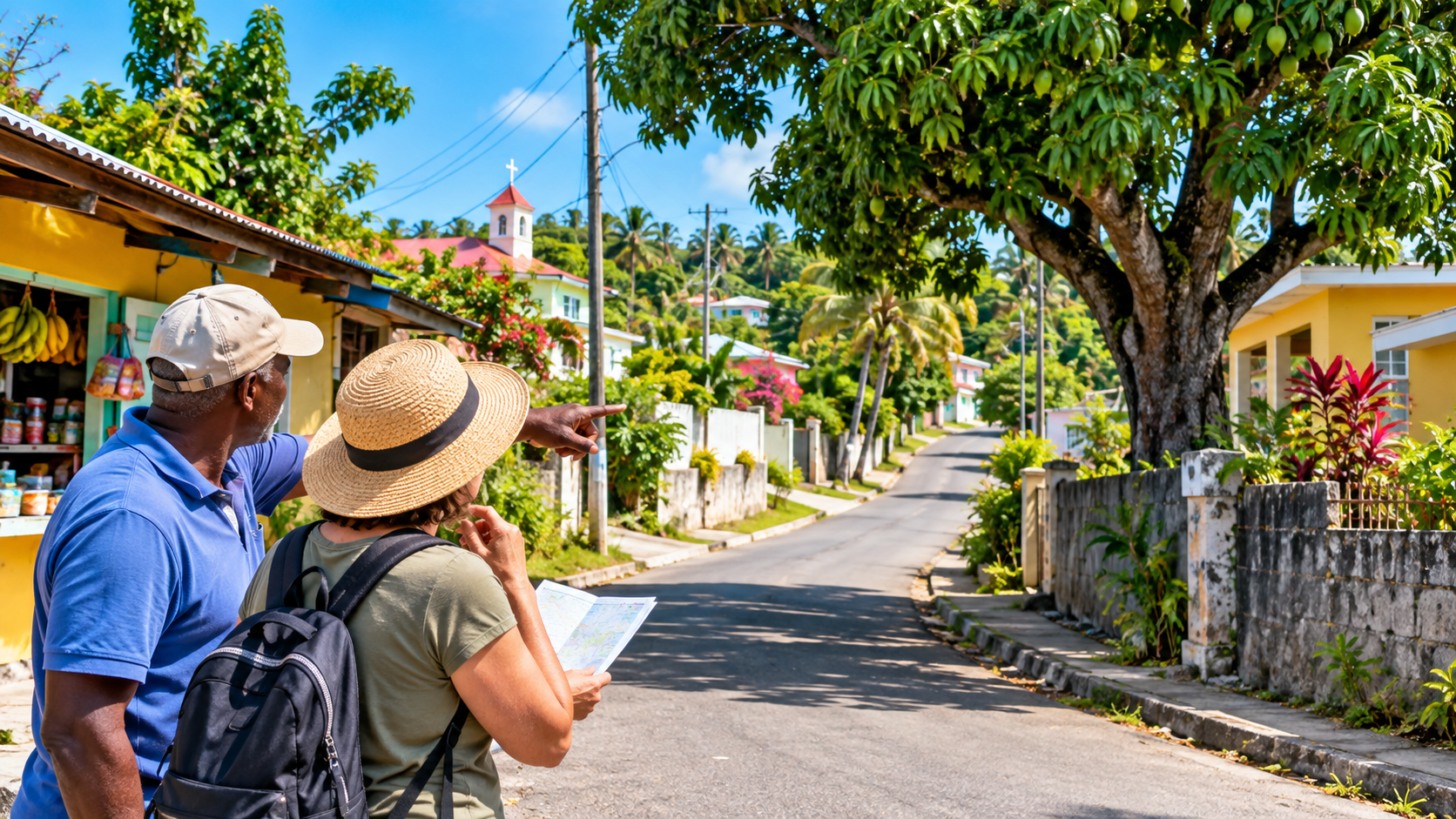 Checking Directions | How Jamaican Addresses Work
Have you ever tried giving your Jamaican address to someone overseas and realized that what makes perfect sense to us here in Jamaica makes absolutely no sense to them?
It can be funny🤣
New! Take a piece of Jamaica with you💃!
Savour the memories! Now you can get your authentic Jamaican souvenir items, as well as traditional Jamaican herbs, spices and housewares on our popular e-store. Click Here to learn more.
And, if you ever need a trustworthy and knowledgeable local guide, consider booking a private tour with us!
Someone may ask, “What's your street number?”
You say, “I don't have one.”
“Okay… what's the street name?”
“Well, there isn't really a street name either.”
Now they're looking at you as if you're trying to hide where you live!
But you're not.
That's simply one of the interesting things about how Jamaican addresses work. While many homes and businesses -particularly in our towns, cities and newer housing developments -have conventional street names and numbers, plenty of Jamaicans have addresses built around communities, districts, post offices and sometimes lot numbers.
And then there's another little complication:
The address where you physically live and the address where you receive your mail aren't necessarily the same thing.
Confused yet?
Don't worry. If you're visiting Jamaica, moving here, sending something to someone on the island, or you've simply wondered why Jamaican addresses sometimes look so unusual, let me break it down for you.
How Jamaican Addresses Work Depends on Where You Live
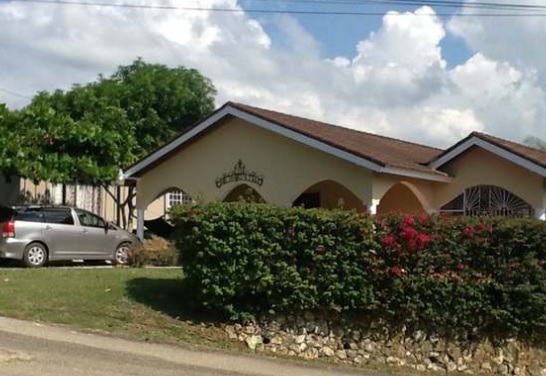 home in jamaica
There isn't one single address format that every Jamaican household uses in exactly the same way.
In a developed residential community, you might see something that looks very familiar:
Lot 25, Sunrise Drive
Bogue Village
Montego Bay
St. James
Jamaica
In another part of the country, however, an address might be much simpler:
Springfield District
Bethel Town P.O.
Westmoreland
Jamaica
Notice something?
The second example doesn't have a house number or street name at all.
Yet to the people who live there -and often to the local postal workers - the address may still identify the general area perfectly well.
Jamaica Post itself advises people sending mail to include a lot or house number and street name where applicable, along with the postal zone or Post Office name.
That “where applicable” is important in Jamaica!
Why Don't Some Jamaican Addresses Have Street Numbers?
The simple answer is that many communities developed without every road and property being incorporated into a standardized street-numbering system.
This is particularly noticeable in some rural communities.
A person may therefore identify where he or she lives by a district or community name, followed by the Post Office that serves that area and the parish.
For example:
Content District
Anchovy P.O.
St. James
Jamaica
That's a perfectly understandable Jamaican-style address even though there's no “14 Main Street” anywhere in it.
And this is not merely an interesting cultural quirk. Jamaica has recognized that inconsistent addressing creates real challenges for mail, package delivery, e-commerce and other services.
In fact, in 2026 Jamaica Post entered a partnership to pilot a new technology-based national postal-code initiative designed to uniquely identify homes and buildings across the island.
More on that shortly.
Your Community and Your Post Office May Be Different Places
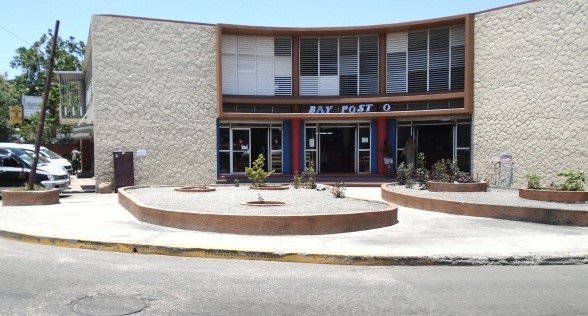 montego bay post office
This is where Jamaican addresses can really confuse someone overseas.
Suppose you live in a small community called Happy Grove, but Happy Grove doesn't have its own Post Office.
Your mail may be handled through a Post Office in another nearby community.
So your address could essentially say:
Happy Grove
Somewhere Else P.O.
St. James
Jamaica
That doesn't mean you live in Somewhere Else!
It means that's the postal area serving your community.
This distinction becomes particularly important when you're completing overseas forms. A company may ask for your physical or residential address, while another section asks for your mailing address.
Those aren't automatically the same thing.
Physical Address vs. Mailing Address in Jamaica
This is probably one of the most important things to understand about how Jamaican addresses work.
Your physical address describes where you actually live but your mailing address describes where your mail should be sent.
For many, Jamaicans, those two addresses are identical.
For others, like myself, they're not. I live at a numbered lot in housing development here in Montego Bay, but I collect mail through a different Post Office address.
This isn't unique to Jamaica, of course, but our mixture of numbered streets, lots, districts, communities and Post Offices makes the distinction particularly noticeable.
Even large organizations sometimes publish separate Jamaican street and postal addresses. For example, the Canadian High Commission lists its street address as 3 West Kings House Road, Kingston 10, while separately listing a P.O. Box in Kingston for postal correspondence.
So when a form asks for your address, don't automatically assume it means the place where you collect mail. Check whether it is asking for your residential/physical address or your mailing/postal address.
What Does “P.O.” Mean in a Jamaican Address?
This one is easy.
P.O. means Post Office.
So if you see:
Hopewell P.O.
Hanover
Jamaica
it tells you that the mail is associated with the Hopewell Post Office.
Jamaica Post operates an extensive islandwide network of Post Offices and Postal Agencies. Its current information says there are more than 400 postal points across Jamaica, including 237 Post Offices and 164 Postal Agencies.
That's one reason the Post Office name has traditionally been so important in Jamaican addresses, particularly outside our major urban areas.
And What About Kingston 5, Kingston 10 and Kingston 20?
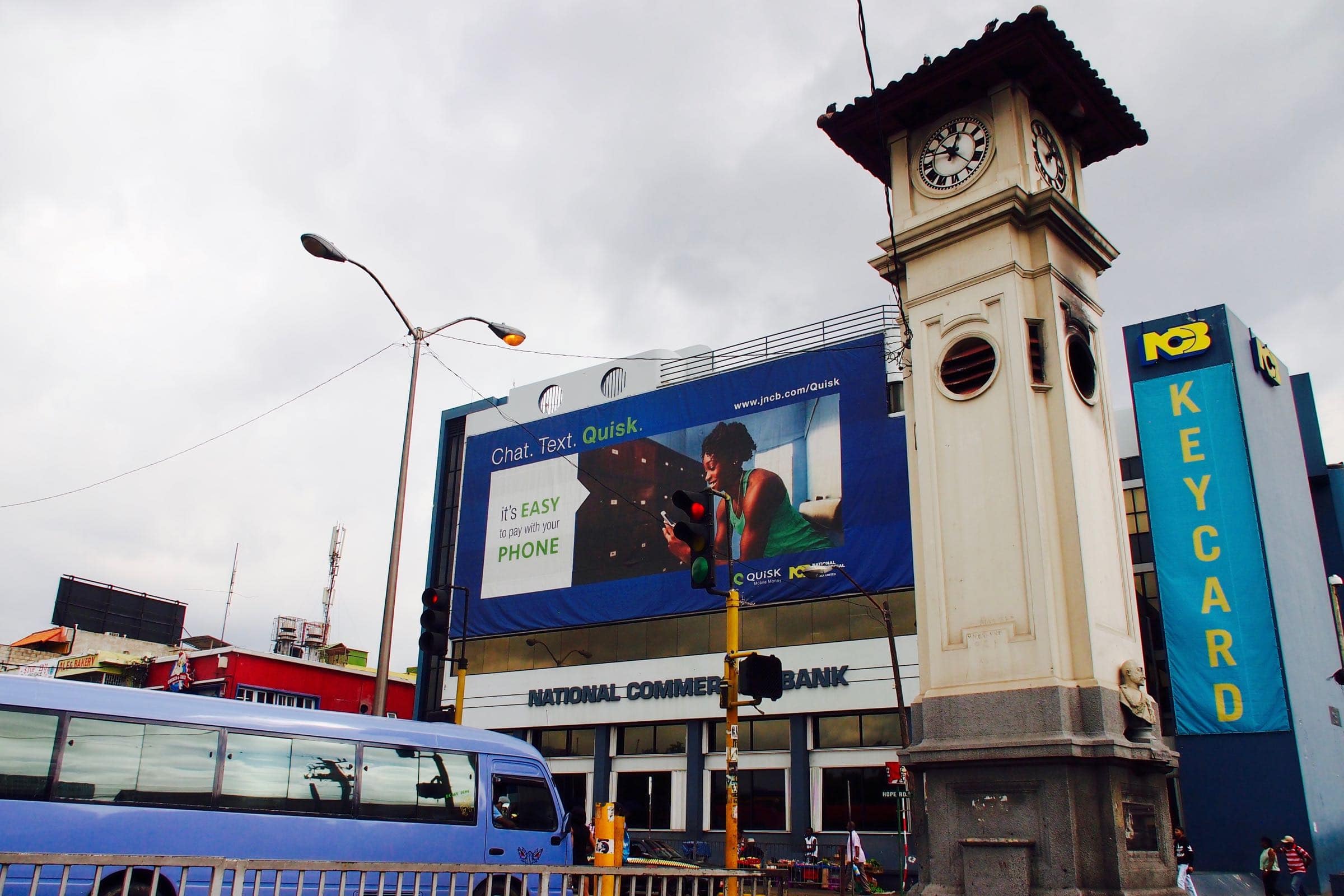 Kingston Jamaica
Now here's another Jamaican addressing feature that can puzzle people. You may have seen addresses such as:
Kingston 5
Kingston 6
Kingston 10
Kingston 20
Those numbers are postal zones, not street numbers.
Kingston and parts of St. Andrew have long used numbered postal districts to help identify postal areas. You can see Jamaica Post itself using formats such as Kingston 2, Kingston 4 and Kingston 14 in its official Post Office listings.
So if someone tells you they live in Kingston 6, the “6” doesn't identify their house.
It identifies the postal zone.
🌿 Did You Know?
... This can produce one of those wonderfully confusing Jamaican addresses where you might have a house number, street number and Kingston postal-zone number all in the same address!
🌿 Did You Know?
... This can produce one of those wonderfully confusing Jamaican addresses where you might have a house number, street number and Kingston postal-zone number all in the same address!
For example:
12 Example Avenue
Kingston 6
Jamaica
The 12 identifies the property.
The 6 identifies the postal zone.
Once you understand that, Jamaican addresses start looking a lot less mysterious.
What About Lot Numbers?
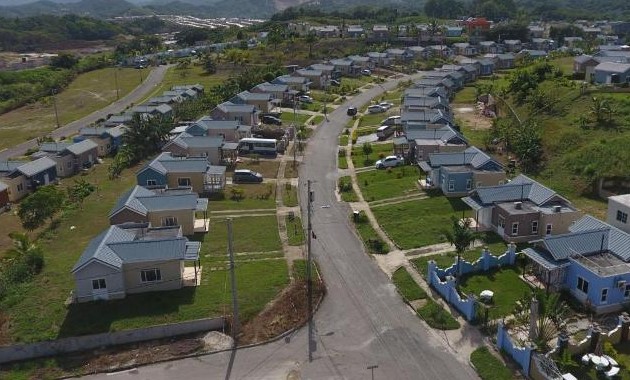 lot numbers in jamaica
Lot numbers are also very common here, particularly in housing schemes and residential developments.
Instead of saying:
25 Sunrise Drive
someone's official address might be:
Lot 25 Sunrise Drive
Or the lot number may be associated primarily with the development itself.
This is why, when you're sending mail in Jamaica, it's useful to provide every relevant identifying detail available. Jamaica Post specifically recommends including the lot number or house number, street name and postal zone or Post Office name when addressing mail.
The more accurately the destination is identified, the better.
But Here's the Jamaican Part: “Turn Left at the Big Mango Tree!”
Now we get to the part visitors sometimes find hilarious.
Your official address might tell somebody the community where you live.
But will it actually get them to your front gate?
Not necessarily!
That's when the Jamaican directions begin.
- “Come up the hill.”
- “Pass the church.”
- “Keep straight until you see the little blue shop.”
- “Take the second left after the school.”
- “You'll see a big mango tree.”
- “We're the cream house with the brown gate.”
And believe it or not, those directions might get you there faster than the postal address!
For generations, landmarks have played an important role in how we describe locations informally, especially in communities where roads aren't clearly named or houses aren't sequentially numbered.
A church, school, shop, bridge, playing field, gas station or even a well-known person's house can become part of the directions.
If you're Jamaican, you probably don't even think twice about it.
But tell a visitor from New York, Toronto or London to “turn at Miss Mary's shop and continue until you pass the big guinep tree,” and you may get quite a reaction!
Why Google Maps Changed Things
Of course, technology is changing how we find one another.
Today, many of us simply send a location pin through WhatsApp or Google Maps.
That's especially useful when the written address gets you into the community but not necessarily to the exact house.
And for businesses, villas, Airbnbs and attractions, digital mapping has made finding places in Jamaica considerably easier.
Still, even technology occasionally meets its match in rural Jamaica!
There are places where a local person giving you two sentences of directions can still be more helpful than following a map blindly.
Does Jamaica Have ZIP Codes?
This is an important one for anyone filling out an overseas form.
The familiar five-digit ZIP Code belongs to the United States postal system. Jamaica doesn't use U.S. ZIP Codes.
And historically, Jamaica has not had a universally adopted national postal-code system comparable to those used in countries such as the United States, Canada or the United Kingdom.
That's why Jamaicans sometimes encounter an annoying problem online:
A foreign website insists that we enter a ZIP or postal code!
Don't simply invent one.
If you're ordering from a particular company or completing an official form, check that organization's instructions for Jamaican addresses.
But there's an important development happening right now.
Jamaica Is Moving Toward Digital Postal Codes
This is perhaps the most interesting development in the story of how Jamaican addresses work.
In January 2026, Jamaica Post and Yassuh Jamaica Limited announced a pilot national postal-code initiative.
The goal is ambitious: use technology to create a system capable of uniquely identifying and navigating to individual homes and buildings across Jamaica.
According to the Jamaica Information Service, the project is intended to address long-standing problems with standardized addresses that affect mail delivery, last-mile logistics and e-commerce. The initiative could also have implications for emergency response and other services that depend on accurately locating a property.
Notice the word pilot, though.
This is an initiative being tested and developed—not a reason to assume that every Jamaican household suddenly has a new national postal code.
But it could represent a major change in the years ahead.
Imagine being able to identify virtually any Jamaican home precisely without telling the delivery driver to turn left after the big mango tree!
Although knowing us Jamaicans, we may still give the mango-tree directions anyway. 😄
So, How Should You Write a Jamaican Address?
The exact format depends on the address, but a useful general structure is:
Recipient's Name
House/Lot Number and Street (if applicable)
Community or District
Post Office or Postal Zone (where applicable)
Parish
Jamaica
Not every address will require every one of those lines.
For example, an urban address could look like:
Jane Brown
15 Example Road
Montego Bay
St. James
Jamaica
While a rural address might look more like:
John Brown
Example District
Cambridge P.O.
St. James
Jamaica
Those are fictional examples, of course, but they illustrate why two perfectly legitimate Jamaican addresses can look very different.
When sending actual mail, use the address supplied by the recipient and include the house or lot number, street, Post Office/postal zone and other relevant details wherever applicable. Jamaica Post also recommends putting a return address on mail in case an item cannot be delivered or collected.
Now You Know How Jamaican Addresses Work!
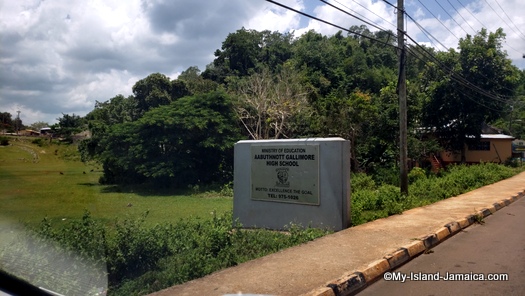
So the next time you see a Jamaican address without a street number, don't automatically assume something is missing.
It may simply reflect the way that particular community is identified.
Our addressing system has grown alongside Jamaica's communities, Post Offices, towns, housing developments and rural districts. In some places, you'll find the familiar house-number-and-street system. Elsewhere, the community, district and Post Office do much of the work.
And sometimes your postal address will get your letter to you, while the directions involving the church, shop and mango tree will get your visitor to you!
That's Jamaica.
Our system isn't always as straightforward as the neat street-grid systems found elsewhere, and the country is now actively exploring ways to modernize it. But once you understand the roles played by house and lot numbers, communities, districts, Post Offices, parishes and Kingston postal zones, Jamaican addresses become much easier to understand.
And if all else fails? Send the WhatsApp location! 😄
You May Also Enjoy
If you're learning about Jamaica because you're planning a visit, thinking about moving here, reconnecting with your Jamaican roots or simply fascinated by how we do things on the island, take a look through some of my other articles here on My Island Jamaica.com
There is much more to Jamaica than our beaches and resorts. Sometimes it's the little everyday things - how we give directions, how we speak, what we eat and how our communities work - that tell you the most about who we are.
Be sure to also check the Related Articles below for more interesting Jamaican facts, culture and everyday life.
You might like these
The Western Mirror Newspaper - Reflecting the People's News and views
The Western Mirror - Sharing Montego Bay & Western's Jamaica's News and Views!
Education in Jamaica - An overview of the Jamaican education system
A review of the current system of education in Jamaica - by Tamekia Kentish
US Embassy Jamaica - Functions & Services of the US Embassy In Jamaica
A summary of the key functions and services of the US Embassy Jamaica

References & Pages Cited For How Jamaican Addresses Work
- Jamaica Post. “About Us.” Jamaica Post, Post and Telecommunications Department. Accessed 29 Sept. 2026. Jamaica Post — About Us
- Jamaica Post. “Postal Tips.” Jamaica Post, Post and Telecommunications Department. Accessed 29 Sept. 2026. Jamaica Post — Mail Services and Postal Tips
- Jamaica Post. “Kingston.” Jamaica Post, Post and Telecommunications Department. Accessed 29 Sept. 2026. Jamaica Post — Kingston Post Offices
- Jamaica Information Service. “Digital Postal Codes Initiative Aims to Modernise Jamaica's National Delivery System.” Jamaica Information Service, 8 Jan. 2026. Accessed 29 Sept. 2026. Jamaica Information Service — Digital Postal Codes Initiative
- Government of Canada. “Embassies, Consulates and Offices: Jamaica.” Travel.gc.ca, Government of Canada. Accessed 29 Sept. 2026. Government of Canada — Jamaica Consular Information
New! Get My Latest Book👇🏿
 |
You asked, I've answered! You no longer need to save for months or years, to enjoy paradise! I spilled the beans! sharing my top tips on finding cozy accommodations and secret gems, only the way a native could! Click Here to pick it up on my e-store and start saving now! |
See The Best Of Jamaica - In Videos!
 |
My channel reaches over 140,000 subscribers worldwide and has leveraged over 11 million views, sharing, what I call 'The Real Jamaica'. Subscribe today and join our family of viewers. |

Read More ...
New! Experience The REAL Jamaica!
Book Your Private Tour here and experience Jamaica the way we (locals) do!
P.S. Didn't find what you were looking for?
Still need help?
Click Here to try our dependable and effective Site Search tool. It works!
Or, simply click here and here, to browse my library of over 500 questions and answers! Chances are someone already asked (and got an answer to) your question.





Featured Video!

Travelling To Jamaica?
Read this BEFORE you go
👇🏿
New Here?
I recommend you START HERE to enjoy the best of this website!
New! For Authentic Jamaican products, from my very own hands, visit my Etsy store here.
Recent Articles


-
How Jamaican Addresses Work - Why Some Have No Street Number
Sep 29, 26 09:55 PM
 How Jamaican Addresses Work can puzzle visitors. Learn why some have no street number and how districts, communities and P.O. addresses identify location
 -
Fixing Salty Jamaican Soup: Simple Tricks That Really Work
Sep 29, 26 08:40 PM
 Fixing Salty Jamaican Soup is easier than you think. Discover simple tricks that reduce excess salt while keeping that delicious Jamaican flavour.
 -
Root Tonics In Jamaica: What Makes Them So Special?
Sep 29, 26 04:04 PM
 What makes Jamaican roots so special? Discover the herbs, traditions and fascinating story behind root tonics in Jamaica and their enduring popularity.
 -
Jamaica Festival Songs - Popular (Winning) Songs Since 1966
Sep 08, 26 01:11 PM
 The Jamaica Festival Song Competition, also called the Popular Song Competition, and before 1990, known as the Independence Festival Song Competition,
 -
Is September a good month to visit Jamaica?
Sep 01, 26 12:55 PM
Is September a good month to visit Jamaica? || Answered by Kadian Clarke, Associate Writer Yes, it is! Certainly from my perspective, but there is a caveat.


About The Author

A patriotic Jamaican who adores its culture, Wellesley has been using this medium to share what he calls 'the uniqueness of Jamaica with the world' since April 2007.
To date, he serves over 9,300 unique readers / viewers per day (and over 1.1millon page views monthly)
His efforts have earned this site featured positions in local publications, including the Jamaica Gleaner's Hospitality Jamaica, Carlong Publishers, as well as recognition from numerous prestigious international agencies and universities. Read more about him here.
He invites you to explore his books and subscribe to this site to stay updated on all the latest here on site.
You are also welcome to check out his unique Jamaican products on his e-store.
If you are on social media, here are the links to follow his latest posts:
You are also invited to join his exclusive JAMHearts community where like-minded Jamaican enthusiasts discuss all things Jamaican.
Didn't Find What You Are Seeking?
Do a quick site search here: