Subscribe for all my updates and don't miss a thing! Sign me up!
Jamaica History Timeline
Our Journey Through Struggle, Freedom and Pride
Sharing Is Caring! Share this awesome content with your friends now.


Have you ever stood inside an old Jamaican building and wondered what those walls would tell you if they could speak?
I remember visiting Rose Hall Great House sometime ago and walking through the halls associated with the notorious White Witch. Knowing the stories surrounding that place, I can tell you—it felt quite eerie!
But beyond the ghost stories, visiting places like these makes our history feel real. You start thinking about the people who lived there, the people who worked there, and how different their lives must have been.
That is what I want to bring to this Jamaica history timeline: the important dates, but also the people, sacrifices and questions behind them.
Because Jamaica’s story is much more than Columbus arriving and a flag being raised in 1962.
New! Take a piece of Jamaica with you💃!
Savour the memories! Now you can get your authentic Jamaican souvenir items, as well as traditional Jamaican herbs, spices and housewares on our popular e-store. Click Here to learn more.
And, if you ever need a trustworthy and knowledgeable local guide, consider booking a private tour with us!
Jamaica History Timeline - The Major Turning Points
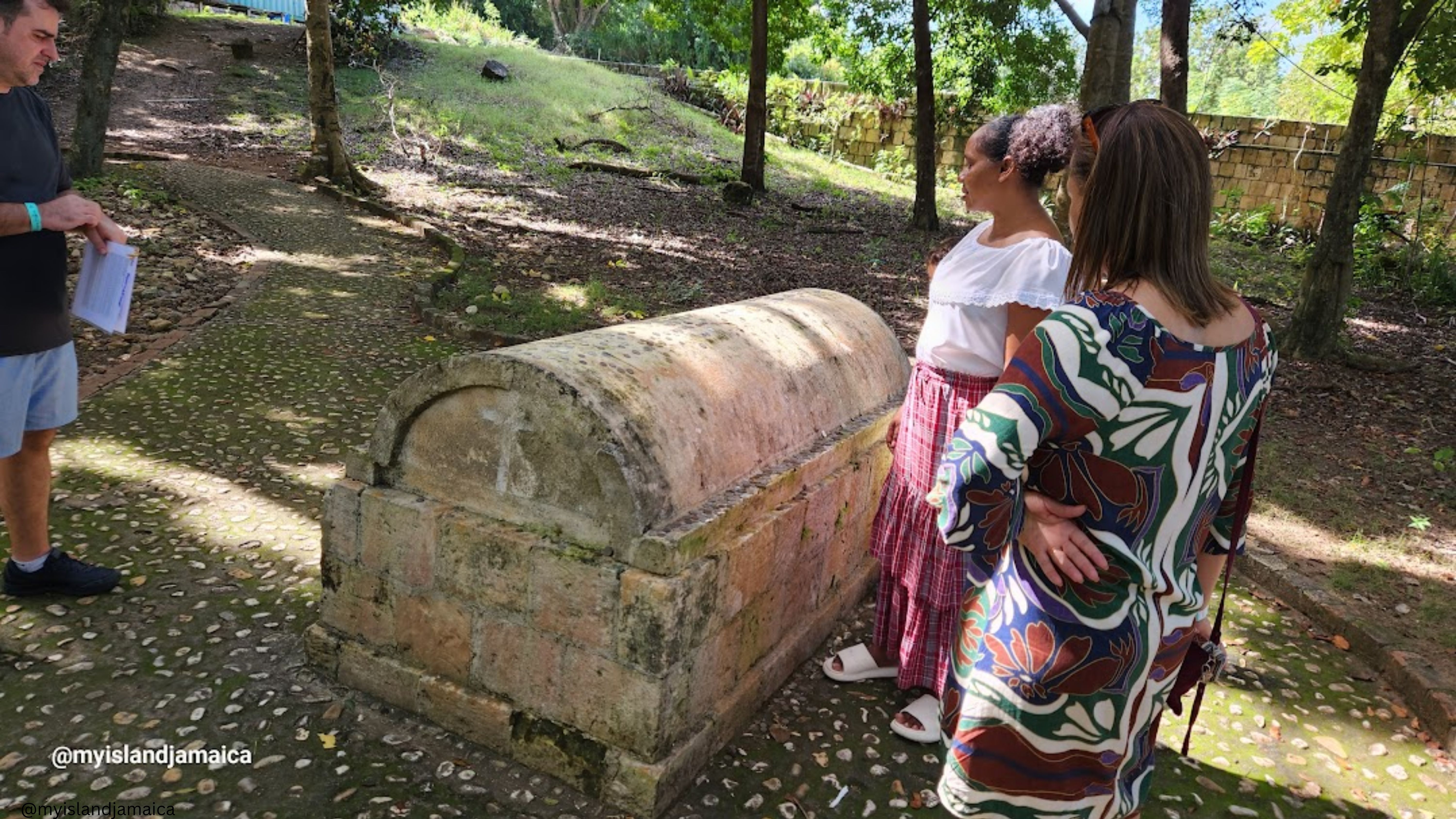 Tomb Of Annie Palmer - White Witch Of Rose Hall | Jamaica History Timeline
- Before 1494: Jamaica Was Already Somebody’s Home
Long before Columbus arrived, indigenous people were living here. Among them were the Tainos who cultivated crops, fished and used the island’s natural resources, and also established communities long before European arrival.
So, although many of us grew up hearing that Columbus “discovered Jamaica,” I prefer to say that he arrived here. People already knew this island as home. Our history should begin with them, rather than treating their lives as a footnote to somebody else’s voyage. You can read more about the early history of Jamaica here. - 1494 and 1509: The Spanish Arrived and Settled
Two dates help us understand the beginning of Spanish involvement:
1494: Christopher Columbus reached Jamaica during his second voyage to the Americas.
1509: Spanish colonisation began under Juan de Esquivel.
What followed was devastating for the indigenous population. Introduced diseases, forced labour, and violence disrupted their communities. Enslaved Africans were also brought to the island. This period helped shape Jamaica, but it certainly wasn’t the beginning of a happy relationship between the island’s people and European rule. - 1655: English Forces Took Jamaica
In 1655, English forces captured Jamaica from Spain. Under the colonial system that followed:
1. Sugar plantations expanded.
2. Enslaved African labour supported the plantation economy.
3. Wealth and power became closely connected to plantation ownership.
Today, we can admire the architecture of a great house. But I think we should also ask: whose labour made that lifestyle possible? That thought brings me back to Rose Hall.
The White Witch story certainly adds atmosphere to a visit, but the accounts of Annie Palmer’s murders and supernatural powers should be understood as legend rather than established historical fact. Versions of the story were being publicly challenged as far back as 1895.
For me, the experience there was still eerie. But the real history of plantation life is powerful enough without needing every ghost story to be true. - 1692: The Earthquake That Changed Port Royal
On June 7, 1692, a devastating earthquake struck Port Royal. The disaster destroyed much of the town, caused sections to sink beneath the water and dealt a major blow to an important centre of commerce and maritime activity.
Like Hurricane Melissa in October 28, 2025, it is one of those moments in our history when the fortunes of a community changed almost instantly. - 1739–1740: Maroon Resistance Brought Negotiated Freedom
Our ancestors did not simply accept enslavement. The Maroons established communities beyond plantation control and fought colonial forces. Leaders such as Cudjoe and Nanny became enduring symbols of resistance.
Some of the important developments included 1739 peace agreements that marked a turning point between colonial authorities and particular Maroon communities, and related land arrangements that helped establish territory for communities that had resisted colonial control.
However, it is important to note that these settlements did not end slavery throughout Jamaica. - 1760: Tacky’s Revolt Challenged Slavery
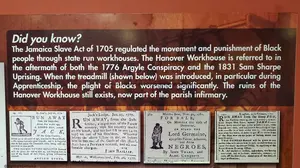
Tacky’s Revolt, beginning in St. Mary, formed part of a wider wave of resistance in 1760. The uprising was suppressed, but it belongs in any account of Jamaica’s long struggle against enslavement. When we consider it alongside Maroon resistance and later rebellions, we see a struggle that stretched across generations. - 1807: The Slave Trade Ended, but Slavery Continued
This distinction is easy to miss. What ended was Britain’s legal transatlantic slave trade but the enslavement of people already held in Jamaica continued -ending the trade did not immediately end the institution of slavery. Freedom was still years away. - 1831–1832: Sam Sharpe Paid With His Life
Sam Sharpe, an enslaved Baptist deacon, helped organise a refusal to work without wages after Christmas in 1831. What began as a planned labour stoppage developed into the Baptist War, also known as the Christmas Rebellion. The colonial authorities responded brutally, and Sharpe was hanged in Montego Bay on May 23, 1832. What really strikes me is how young he was -only about 31, based on his estimated birth year of 1801. A young man with so much life ahead of him paid the ultimate price in the struggle for freedom.
When I think about that, his name becomes much more than something we learned at school. - 1834 and 1838: Freedom Came in Stages
You will often see both 1834 and 1838 mentioned when we talk about emancipation in Jamaica, and there is a reason for that. Britain passed the Slavery Abolition Act in 1833, and abolition took effect here on August 1, 1834.
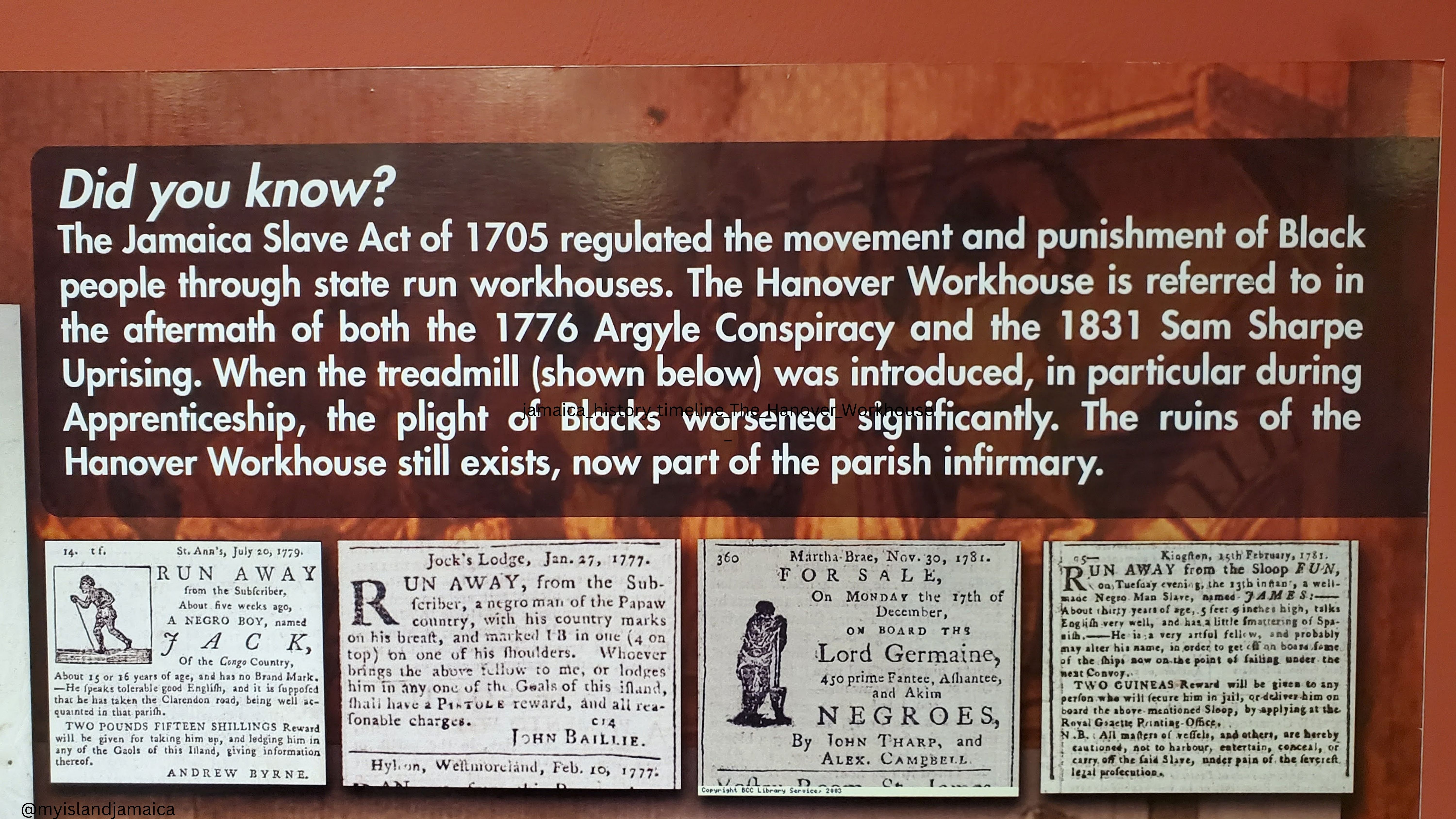
However, many formerly enslaved people were required to continue working under compulsory “apprenticeship.” That system finally ended on August 1, 1838, bringing full emancipation. Freedom was a tremendous milestone, but it did not automatically come with land, financial security or equal opportunity.
By the way,I recently learned something that stopped me in my tracks: Britain provided £20 million to compensate slave owners under the abolition settlement, yet the enslaved people themselves received no compensation under that scheme.
What surprised me even more was that the remaining debt connected to those payments was not cleared until 2015, because it had been transferred into wider government borrowing arrangements. That does not mean slave owners were still collecting compensation cheques in 2015, but the contrast troubles me all the same.
The owners were compensated, while the people who had toiled in the fields were left to begin their free lives without equivalent compensation. And when I think about descendants still struggling to secure land of their own, I cannot help asking: how much unfinished work did emancipation leave behind? Every land problem today cannot be traced to one cause, but this part of our history certainly gives us something to think about. - 1845: A Railway and Another Chapter in Our Heritage
Two important developments happened in 1845: Jamaica’s first railway opened on November 21, connecting Kingston with Angels near Spanish Town. Also, Indian indentured migration began, adding another important chapter to our population and cultural heritage. Many migrants experienced harsh working and living conditions.
By the way, did you know that Jamaica’s railway was the first in the British West Indies? - 1865–1866: Freedom Had Not Settled Everything
By 1865, nearly three decades had passed since full emancipation, but many Jamaicans were still struggling with poverty and injustice. Freedom had come, yet a fair chance at a better life remained out of reach for many.
Those frustrations helped fuel the Morant Bay Rebellion in 1865. The colonial authorities responded with severe repression, and both Paul Bogle and George William Gordon were executed. The following year, Crown Colony government replaced the earlier representative system. - 1938: Workers Demanded Better
That struggle continued into the next century. Andin 1938, frustration over poor wages and difficult living conditions spilled into strikes and unrest as workers demanded a better deal.
Alexander Bustamante emerged as a prominent voice for labour, while Norman Manley helped advance the movement toward self-government. The People’s National Party was formed that year, followed by the Jamaica Labour Party in 1943.
Whenever I think about this period, I remember that joke attributed to Bustamante about the people needing “bread”- or “bred.” I cannot say whether he actually said it or whether it belongs to the 1938 unrest, but it has stayed with me. The joke may bring a smile, but the hardship behind it was serious: people wanted to feed their families and earn a decent living. - 1944: More Jamaicans Got a Say
The demand for a better life also brought a demand for a greater say in how the country was governed. On December 14, 1944, Jamaica held its first general election under universal adult suffrage, opening the ballot box to many people who had previously been excluded by property and other qualifications.
For ordinary Jamaicans, this was a meaningful change. Their voices could now help determine who governed them, bringing the country another step closer to managing its own affairs. - 1958–1962: Jamaica Chose Its Own Path
As Jamaica moved toward independence, one question was whether our future should be tied to a wider Caribbean federation. We joined the West Indies Federation in 1958, but voters chose to leave in the referendum of September 19, 1961.
Then, on August 6, 1962, Jamaica became an independent nation, with Alexander Bustamante as our first prime minister. I am proud we reached that milestone, although I sometimes wonder how life might have unfolded if Spanish rule had continued or we had remained a British colony. Would we speak differently? Would our opportunities have been better or worse? We cannot know for certain. What we gained was the right to chart our own course - and the responsibility to make that freedom count. - Late 1960s Onward: Jamaica Took Its Voice to the World
As we began shaping our future as an independent nation, our music was finding its way into the hearts of people far beyond our shores.
Reggae emerged in the late 1960s, and artists including Bob Marley carried Jamaican stories of struggle, love, faith and hope to audiences around the world. In 2018, UNESCO recognised that cultural contribution by inscribing reggae music of Jamaica on its Representative List of the Intangible Cultural Heritage of Humanity - Big Deal!
And speaking of Big Deal, here are ...
Jamaican Firsts and Achievements Worth Remembering
We have plenty to be proud of!
- Railway, 1845: Jamaica opened the first railway in the British West Indies.
- Anti-apartheid action, 1957: According to JIS, Jamaica became the first country in the Western Hemisphere, and second globally after India, to impose trade and travel sanctions against South Africa
- Deon Hemmings, 1996: She became the first Jamaican woman - and the first woman from the English-speaking Caribbean- to win Olympic gold.
- Usain Bolt, 2009: He set world records of 9.58 seconds for 100 metres and 19.19 seconds for 200 metres in Berlin.
- Usain Bolt, 2016: He became the first man to win three successive Olympic 100-metre titles.
Our History Is Still Speaking to Us
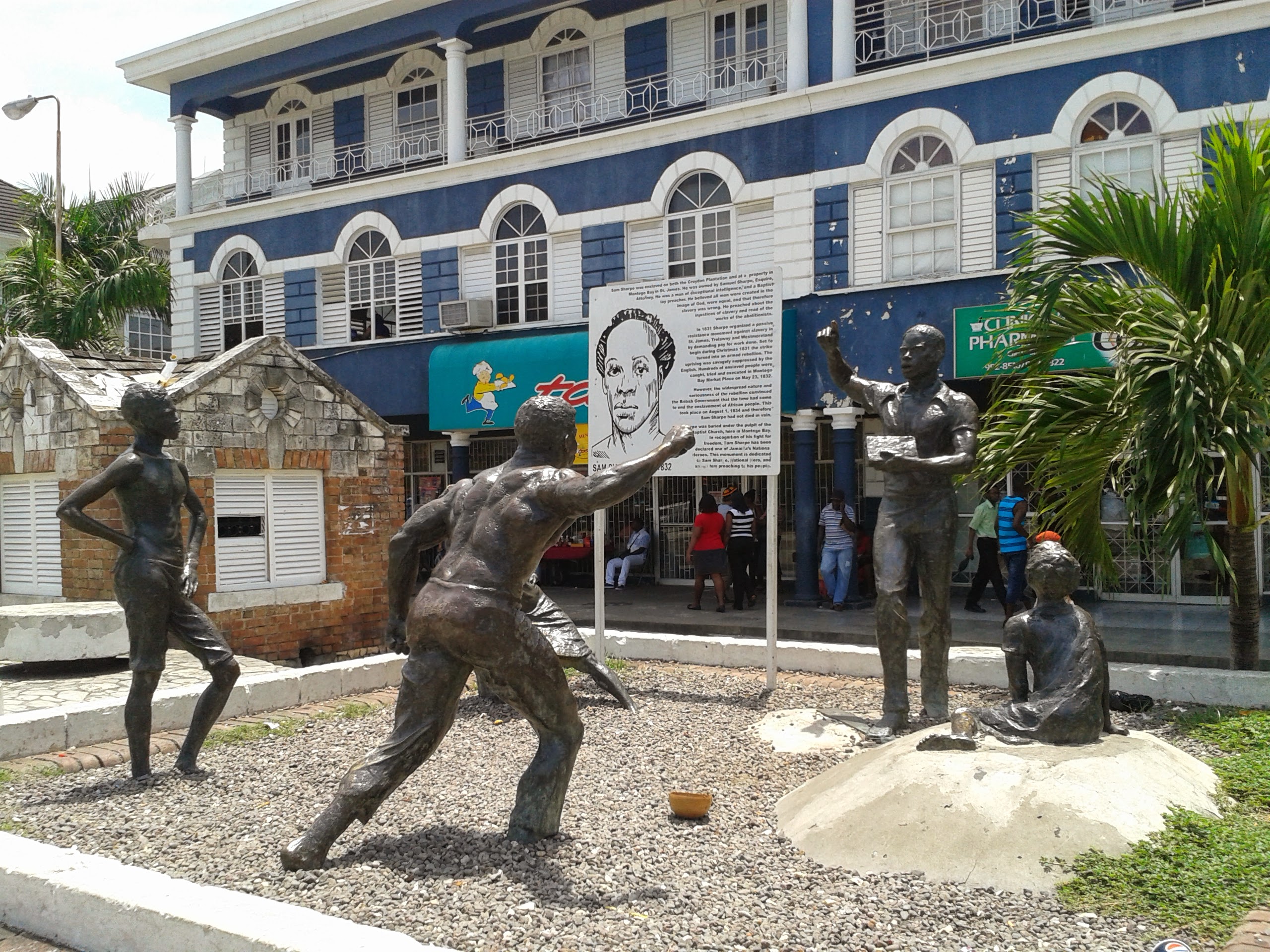
For me, this Jamaica history timeline is a reminder that the freedoms we enjoy came through real struggle.
Sam Sharpe was a young man whose life ended. Workers demanded better because their families needed to survive. Independence came after generations of people pushing for a greater say in their own lives. Here in today's Jamaica, we still have challenges, but I believe that knowing where we came from can help us think more carefully about where we want to go.
And if you are visiting, I encourage you to:
- Look beyond the scenery: Ask about the history behind the places you visit.
- Listen to local stories: They can reveal experiences a date alone cannot explain, and of course,
- Remember the people: Think about whose work, resistance and sacrifice shaped the island.
You may find that the island of sun, sea and sand, becomes even more meaningful when you understand the history behind it.
Regards,
Wellesley
P.S. By the way, what moment in Jamaica history timeline has stayed with you most? I’d love to hear your own memory or reflection in the comments below.
Pages Related to Jamaica History Timeline
12 Historical Sites in Jamaica You Must Visit On Your Next Vacation
One sure way to learn about our rich heritage is expoloring the illustrious historical sites in Jamaica. Here is a list of the predominant ones.
Port Royal Jamaica | Earthquaking Facts You Need To Know
It has a remarkable history, even at one time considered to be 'The Wickedest City On Earth', here's a brief history of fascinating Port Royal Jamaica
The Early History of Jamaica - Here's What we know
What do we know of the early history of Jamaica? Not a lot, but enough to give us a solid insight into the lifestyle of our early ancestors, pre-columbus.


References & Works Cited for Jamaica History Timeline
- Jamaica Information Service. “The History of Jamaica.” JIS. Accessed 9 Oct. 2026.
- National Library of Jamaica. “History Notes: Information on Jamaica’s Culture & Heritage.” NLJ. Accessed 9 Oct. 2026.
- “Rose Hall Letters—May 15, 1895.” Jamaica Great Houses. Accessed 9 Oct. 2026.
- Jamaica National Heritage Trust. “Port Royal.” JNHT. Accessed 9 Oct. 2026.
- Jamaica National Heritage Trust. “Moore Town.” JNHT. Accessed 9 Oct. 2026.
- Jamaica Information Service. “Samuel Sharpe.” JIS. Accessed 9 Oct. 2026.
- Jamaica Information Service. “Emancipation.” JIS. Accessed 9 Oct. 2026.
- UK Parliament. “Talk: The Legacies of British Slave-Ownership.” UK Parliament. Accessed 9 Oct. 2026.
- The National Archives. “The 1833 Abolition of Slavery Act and Compensation Claims.” The National Archives. Accessed 9 Oct. 2026.
- National Library of Jamaica. “Jamaica Independence Home Page.” NLJ. Accessed 9 Oct. 2026.
- National Library of Jamaica. “National Heroes.” NLJ. Accessed 9 Oct. 2026.
- National Library of Jamaica. “1945–1962 Jamaica Struggle for Independence.” NLJ. Accessed 9 Oct. 2026.
- Jamaica Information Service. “Independence.” JIS. Accessed 9 Oct. 2026.
- UNESCO. “Reggae Music of Jamaica.” Intangible Cultural Heritage. Accessed 9 Oct. 2026.
- Jamaica Information Service. “Houses of Parliament Pay Tribute to Mandela.” JIS, 16 Dec. 2013. Accessed 9 Oct. 2026.
- World Athletics. “Hemmings Still Clearing Barriers to Lead the Way for Women in Athletics.” World Athletics. Accessed 9 Oct. 2026.
- International Olympic Committee. “Usain Bolt Record Collection: The Sprint King’s Greatest Hits.” Olympics, 12 Oct. 2020. Accessed 9 Oct. 2026.
- World Athletics. “Report: Men’s 100m Final—Rio 2016 Olympic Games.” World Athletics. Accessed 9 Oct. 2026.
New! Get My Latest Book👇🏿
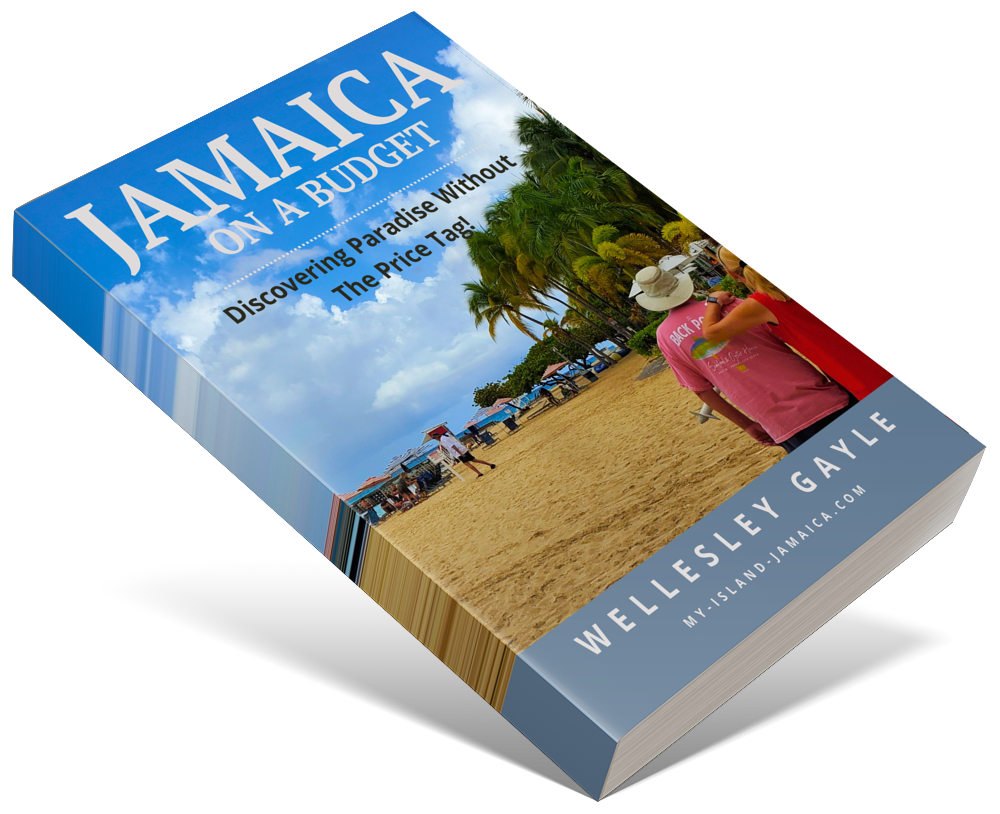 |
You asked, I've answered! You no longer need to save for months or years, to enjoy paradise! I spilled the beans! sharing my top tips on finding cozy accommodations and secret gems, only the way a native could! Click Here to pick it up on my e-store and start saving now! |
See The Best Of Jamaica - In Videos!
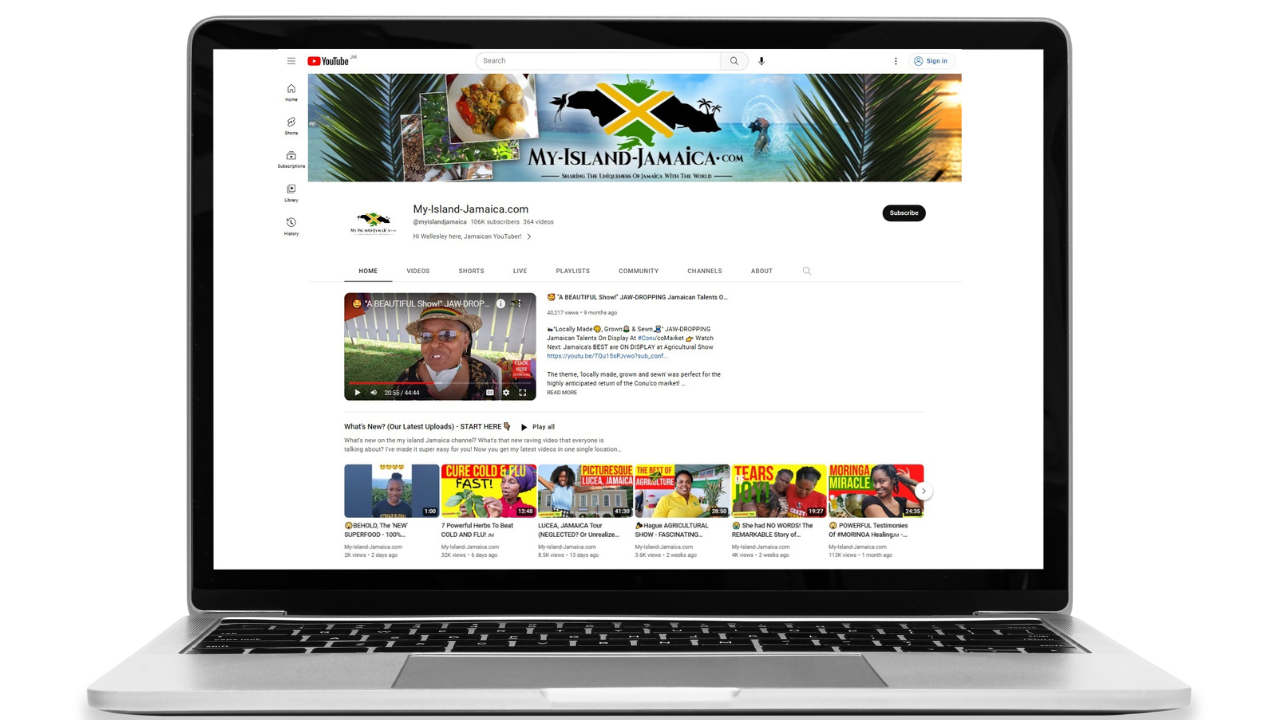 |
My channel reaches over 140,000 subscribers worldwide and has leveraged over 11 million views, sharing, what I call 'The Real Jamaica'. Subscribe today and join our family of viewers. |

Read More ...
New! Experience The REAL Jamaica!
Book Your Private Tour here and experience Jamaica the way we (locals) do!
P.S. Didn't find what you were looking for?
Still need help?
Click Here to try our dependable and effective Site Search tool. It works!
Or, simply click here and here, to browse my library of over 500 questions and answers! Chances are someone already asked (and got an answer to) your question.





Featured Video!

Travelling To Jamaica?
Read this BEFORE you go
👇🏿
New Here?
I recommend you START HERE to enjoy the best of this website!
New! For Authentic Jamaican products, from my very own hands, visit my Etsy store here.
Recent Articles


-
Jamaica History Timeline: From the Taino to Independence
Oct 09, 26 11:58 PM
 Follow me on a journey to explore Jamaica history timeline, from the Taino to emancipation and independence, with personal stories and remarkable Jamaican achievements.
 -
Soups and Stews in Jamaica: The Flavours We Grew Up Loving
Oct 08, 26 09:01 PM
 Soups and Stews in Jamaica are rich, hearty and full of flavour. Discover Saturday soup, stew peas, mannish water and other Jamaican favourites.
 -
Rum Pairings for Jamaican Food
Oct 07, 26 11:04 PM
Rum Pairings for Jamaican Food made simple! Discover which Jamaican rums and rum drinks go best with jerk, seafood, curry, oxtail, desserts and more. -
Root Tonics In Jamaica: What Makes Them So Special?
Oct 07, 26 12:44 PM
What makes Jamaican roots so special? Discover the herbs, traditions and fascinating story behind root tonics in Jamaica and their enduring popularity. -
National Motto of Jamaica: What Does “Out of Many, One People” Mean?
Oct 05, 26 10:20 PM
The National Motto of Jamaica is “Out of Many, One People.” Discover what these famous words mean, their history and how they reflect the Jamaican people.



About The Author
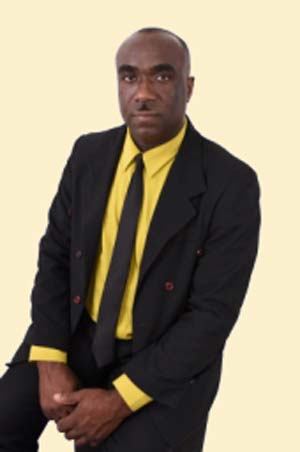
A patriotic Jamaican who adores its culture, Wellesley has been using this medium to share what he calls 'the uniqueness of Jamaica with the world' since April 2007.
To date, he serves over 9,300 unique readers / viewers per day (and over 1.1millon page views monthly)
His efforts have earned this site featured positions in local publications, including the Jamaica Gleaner's Hospitality Jamaica, Carlong Publishers, as well as recognition from numerous prestigious international agencies and universities. Read more about him here.
He invites you to explore his books and subscribe to this site to stay updated on all the latest here on site.
You are also welcome to check out his unique Jamaican products on his e-store.
If you are on social media, here are the links to follow his latest posts:
You are also invited to join his exclusive JAMHearts community where like-minded Jamaican enthusiasts discuss all things Jamaican.
Didn't Find What You Are Seeking?
Do a quick site search here: