Subscribe for all my updates and don't miss a thing! Sign me up!
What Is Chaney Root?
A Jamaican Herbal Favourite Explained
Sharing Is Caring! Share this awesome content with your friends now.


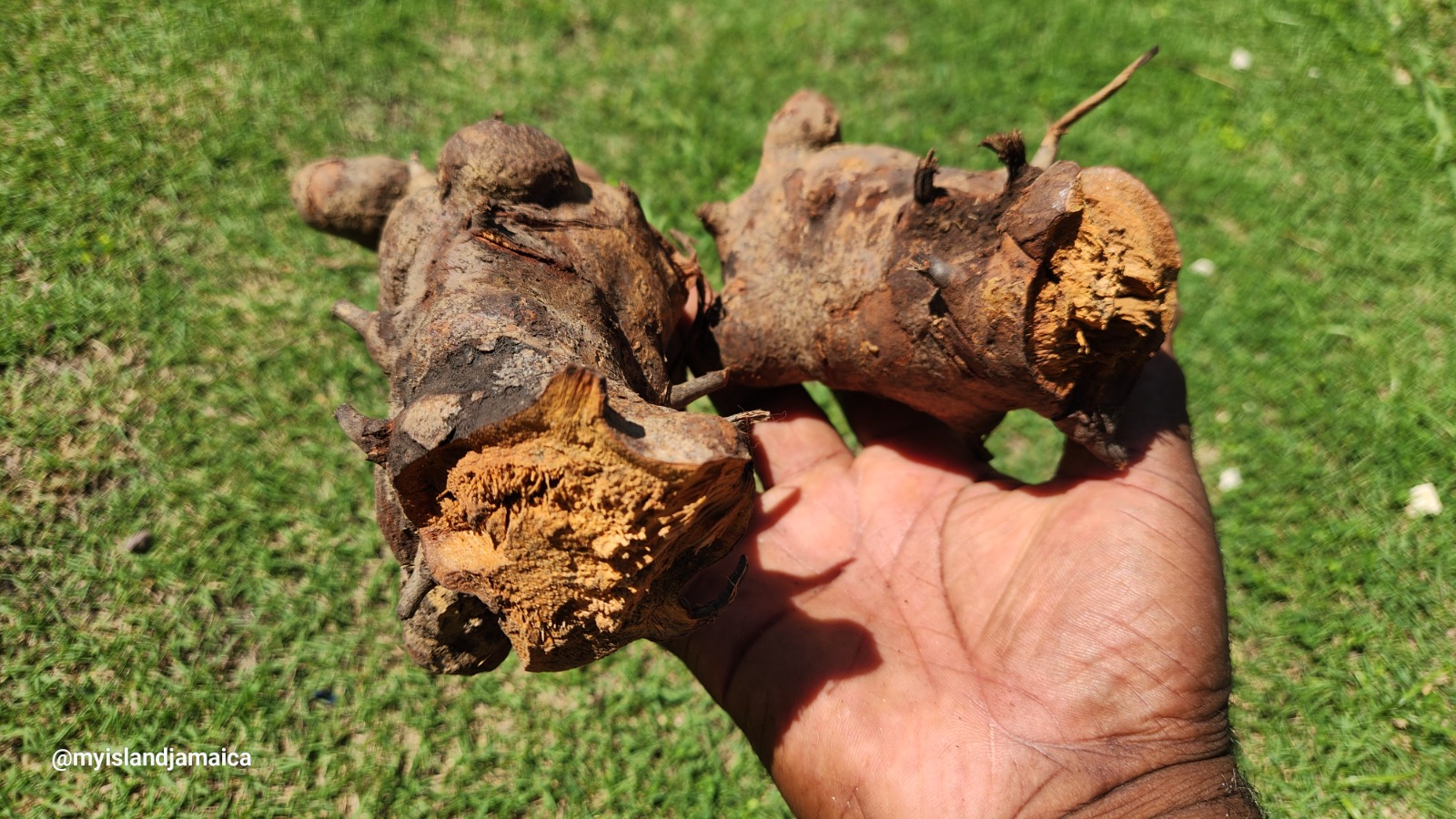
Just recently, I got a very pleasant surprise.
I had gone to visit my uncle to share condolences after the passing of his wife, and while I was there, he gave me some fresh Jamaican chaney root!
I was delighted.
He told me he got it from up in the hills in a place we call Pinnock Wood. But what made that especially exciting for me is that chaney root, one of the rarest, but also most sought-after herbs in my e-store, was right here! In my own hometown!
That alone made me appreciate it even more.
And just before writing this article, I decided to do something else:
I made myself a fresh cup of chaney root tea. I enjoyed it very much too - I sweetened mine with vanilla Lasco!
So if you’ve been asking, exactly what is chaney root, let me explain it properly, especially because a lot of people mix it up with sarsaparilla or with roots tonic.
New! Take a piece of Jamaica with you💃!
Savour the memories! Now you can get your authentic Jamaican souvenir items, as well as traditional Jamaican herbs, spices and housewares on our popular e-store. Click Here to learn more.
And, if you ever need a trustworthy and knowledgeable local guide, consider booking a private tour with us!
What Is Chaney Root?
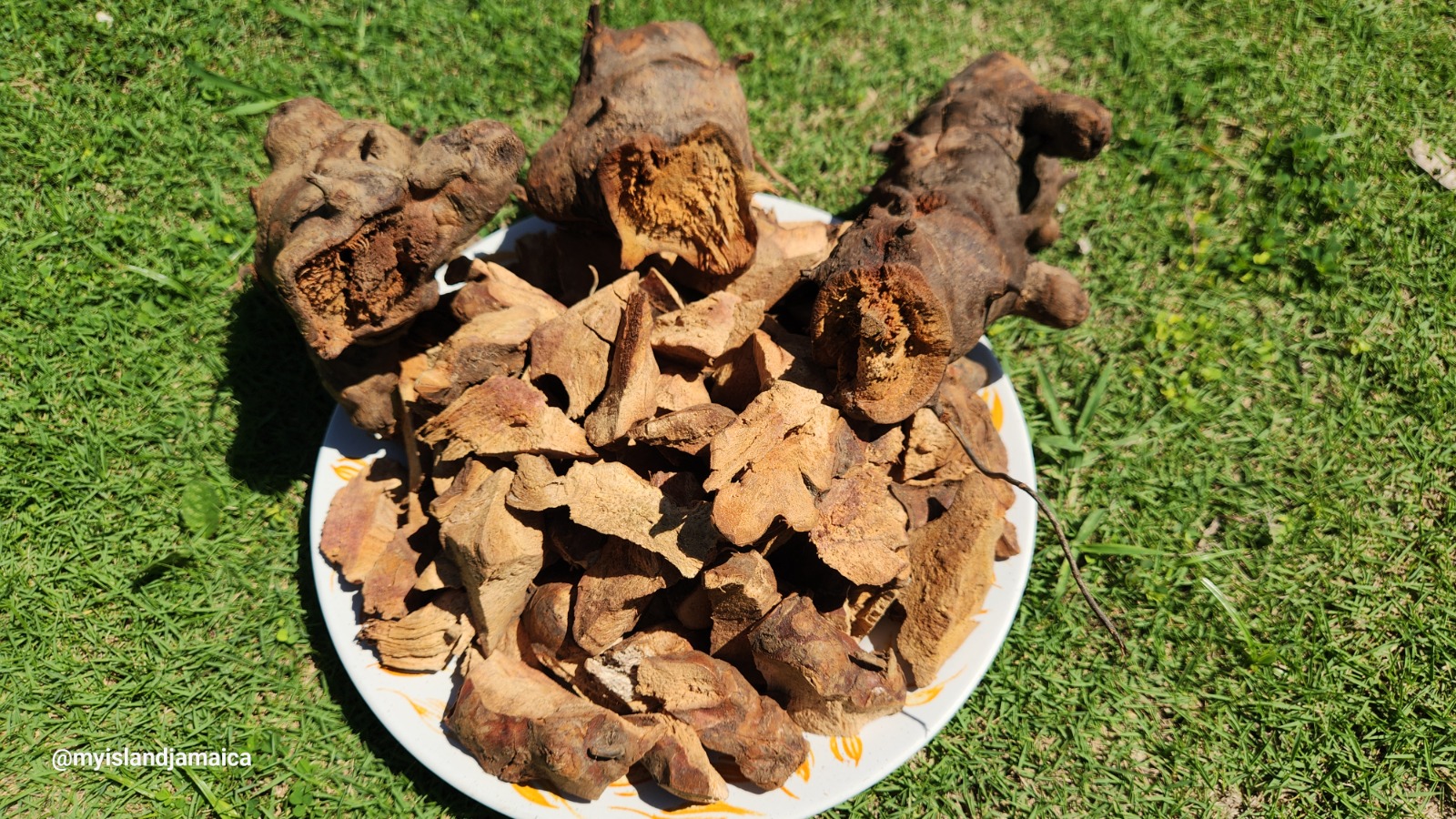
Chaney root is a traditional Jamaican herb taken from the root or underground woody part of a climbing forest plant in the Smilax family.
Here in Jamaica, chaney root has long been valued as a strengthening herb.
We use it in:
- herbal teas
- roots tonics
- powders
- capsules &
- herbal blends
It is often associated with strength, stamina, vitality and general body building.
You may also see it spelled:
- chainy root
- chainey root
- and sometimes even chany root
They are usually referring to the same herb.
Why Jamaicans Value Chaney Root So Much
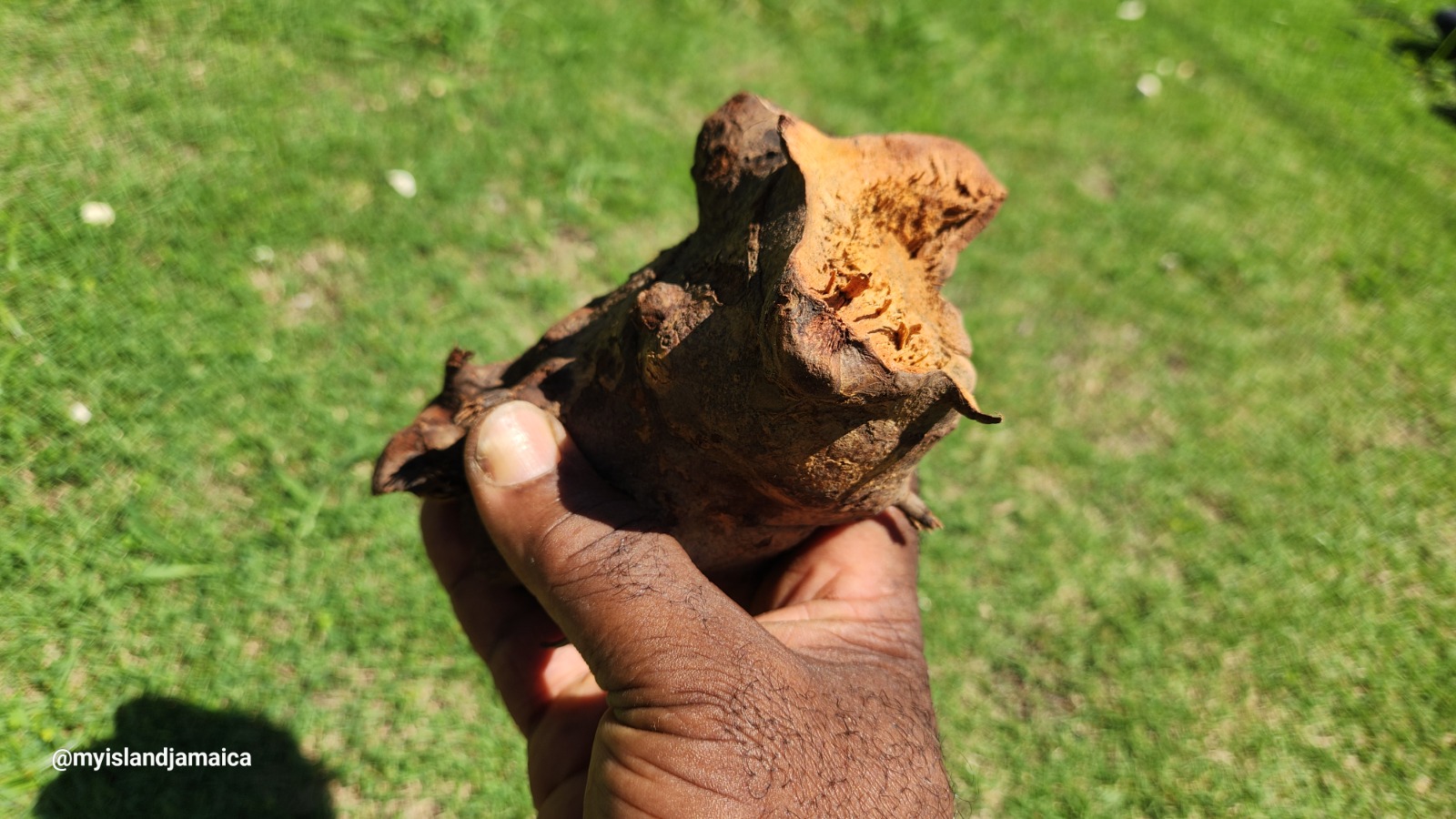 A Single Cut From The Chaney Root
If you know anything about Jamaican herbal culture, then you know we don’t look at herbs as something minor.
For many of us, herbs are part of inherited knowledge - passed down from parents, grandparents, bush doctors, herbalists and country people who learned from their lived experience. And Chaney root is one of those herbs that has built a strong reputation over time.
Traditionally, Jamaicans use it for:
- building up the body
- promoting strength
- helping with stamina
- supporting vitality
- use in roots tonics for men and women and
- general “back-to-strength” type preparations💪
And while there may not be a whole lot to show from the scientists as yet, I don’t think traditional use should be brushed aside simply because everything hasn’t been heavily studied in modern laboratories. Science can help us understand herbs better, but it should not be used to belittle the value of long-standing herbal practice.
And I'm encouraged to see researchers documenting not just the plants themselves, but the generations of Jamaican knowledge, history and traditions surrounding our roots tonics. That knowledge is part of our heritage and deserves to be preserved.
What Is the Difference Between Chaney Root and Sarsaparilla?
 Jamaican Chaney Root
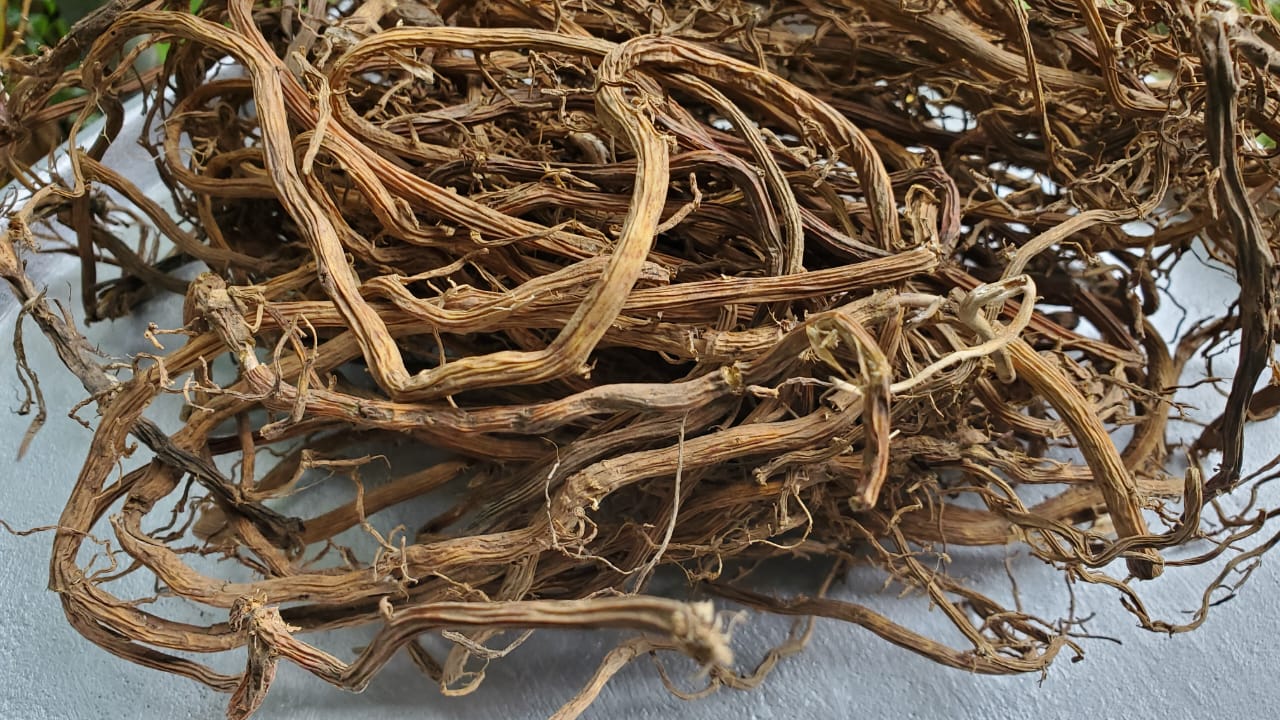 Jamaican Sarsaparilla
This is where many people get confused; Chaney root is not the same as sarsaparilla, both belong to the Smilax genus, but they are different plants.
Jamaican chaney root has been identified as Smilax canellifolia, although the older scientific name Smilax balbisiana also appears in Jamaican herbal literature. Jamaican sarsaparilla, on the other hand, is generally identified as Smilax ornata, previously called Smilax regelii.
So while they're closely related and are often used together in traditional Jamaican roots tonics, they are not interchangeable herbs.
So in simple terms:
- Chaney root is one specific traditional Jamaican root herb.
- Sarsaparilla is another herb, also widely used in Jamaican tonics and herbal preparations.
- They may be used together, but they are not identical.
That’s why if you buy chaney root, you should not assume you are automatically getting sarsaparilla. And if you buy sarsaparilla, that doesn’t mean you have chaney root.
What Is the Difference Between Chaney Root and “Roots” Mixes?
Jamaican Chaney Root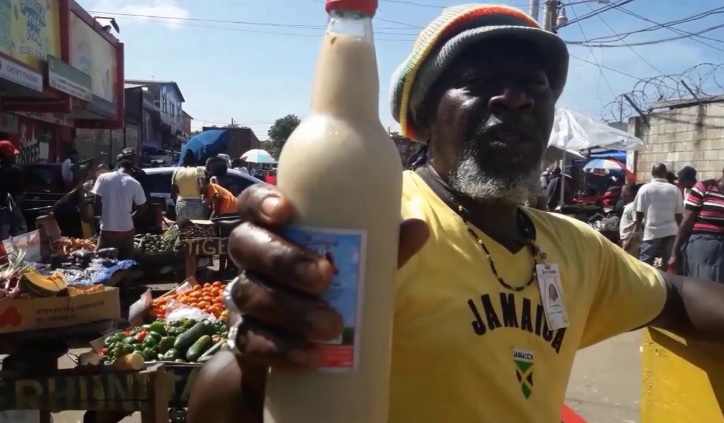 Jamaican Roots Man
That's the next big misunderstanding: A roots mix (or roots tonic) is not one herb.
It is usually a combination of several roots, vines, barks and other herbs boiled together to make a strengthening drink. So as my roots brethren is showing you in the picture above, a Jamaican roots blend is just that, a blend or mix, and may include herbs such as:
- chaney root
- sarsaparilla
- coconut root
- bloody wiss
- duppy gun
- strong back
- medina
- nerve wist
- ramoon
- and others, depending on the person making it
And here's something interesting!
In a study of 38 traditional Jamaican roots tonic preparations, UWI researcher Sylvia Mitchell found that chaney root appeared in every single one, while sarsaparilla was included in approximately 95% of them.
Some of these preparations contained as many as 26 different plants! Now that should tell you just how important chaney root is to our Jamaican roots tonic tradition.
And it helps explain why people sometimes confuse chaney root, sarsaparilla and the finished roots drink.
So to be clear with you:
- Chaney root = one herb
- Sarsaparilla = another herb
- Roots tonic / roots mix = a multi-herb preparation that may contain both
That distinction is important because many people use the terms loosely.
Chaney Root vs Sarsaparilla vs Roots Mix
I like graphics, so I thought I'd share this with you (and others who might be reader later) to make it even clearer.
| Feature | Chaney Root | Sarsaparilla | Jamaican Roots Mix / Tonic |
|---|---|---|---|
| What is it? | One traditional Jamaican herb | A related but distinct herb | A blend of several herbs |
| Botanical name | Smilax canellifolia | Smilax ornata | No single botanical name |
| Traditional uses | Strength, stamina and vitality | General strengthening and herbal tonics | Body nourishment, stamina and vitality |
| Preparation | Tea, powder, capsules and roots blends | Tea and roots blends | Prepared as a multi-herb drink |
| Can it be prepared separately? | Yes | Yes | Already a mixture |
| Main distinction | A single herb | A different single herb | May contain both chaney root and sarsaparilla |
What Does Chaney Root Look Like?
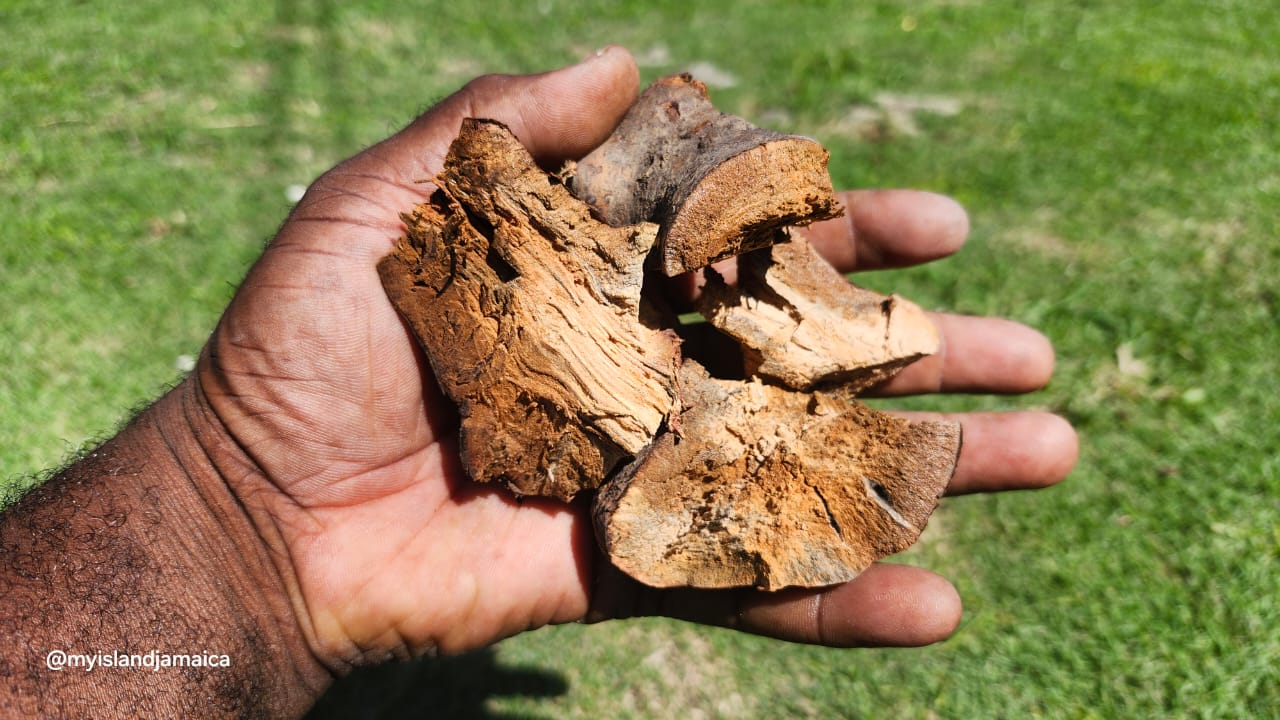
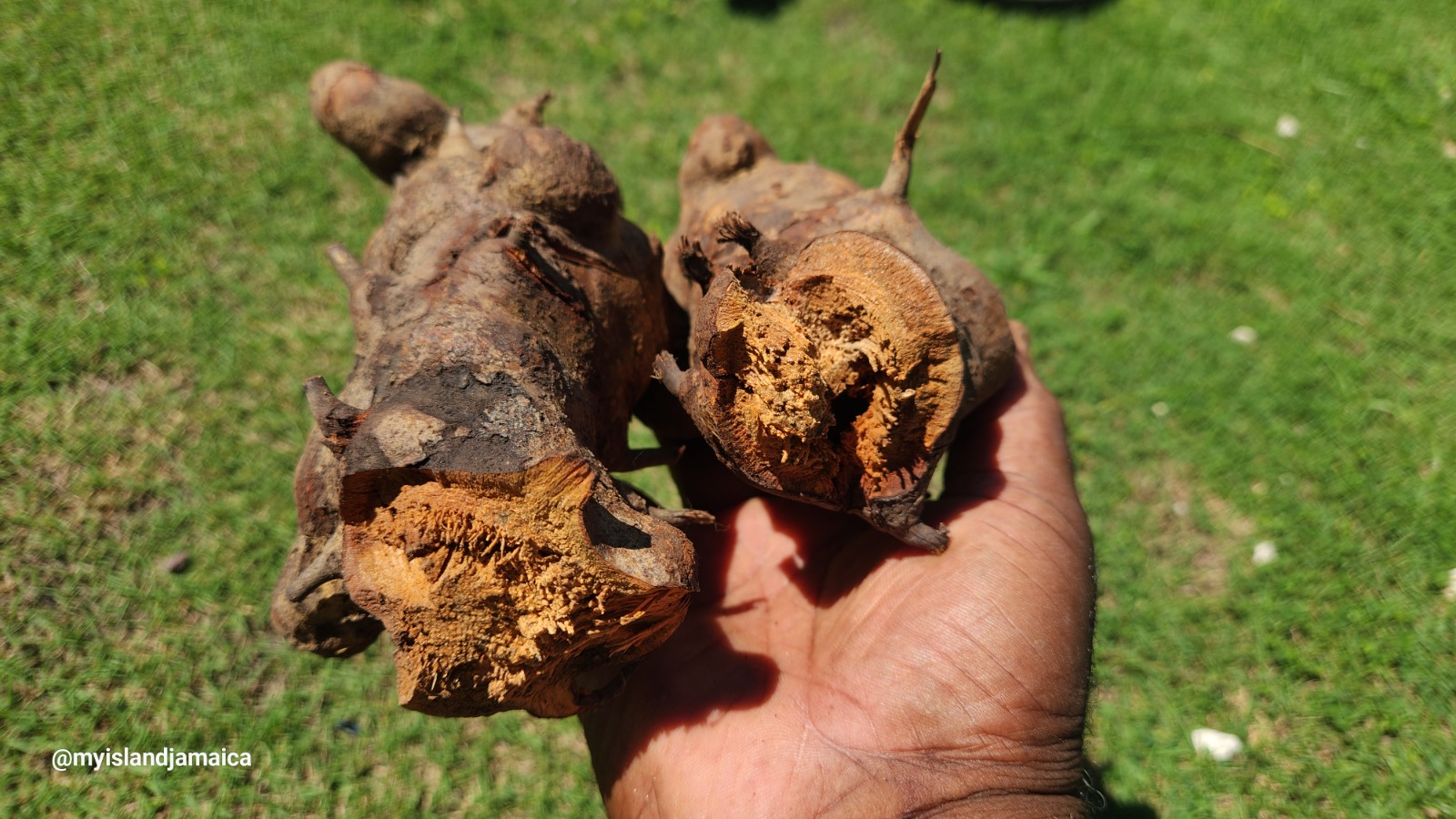
One thing I like about the photos I took is that they show chaney root in a very practical way.
The fresh pieces I had were:
- thick and woody
- dark brown on the outside
- lighter golden-brown on the inside
- tough and fibrous when cut
That firm, woody texture is one reason it is usually boiled well rather than lightly steeped like a delicate tea leaf.
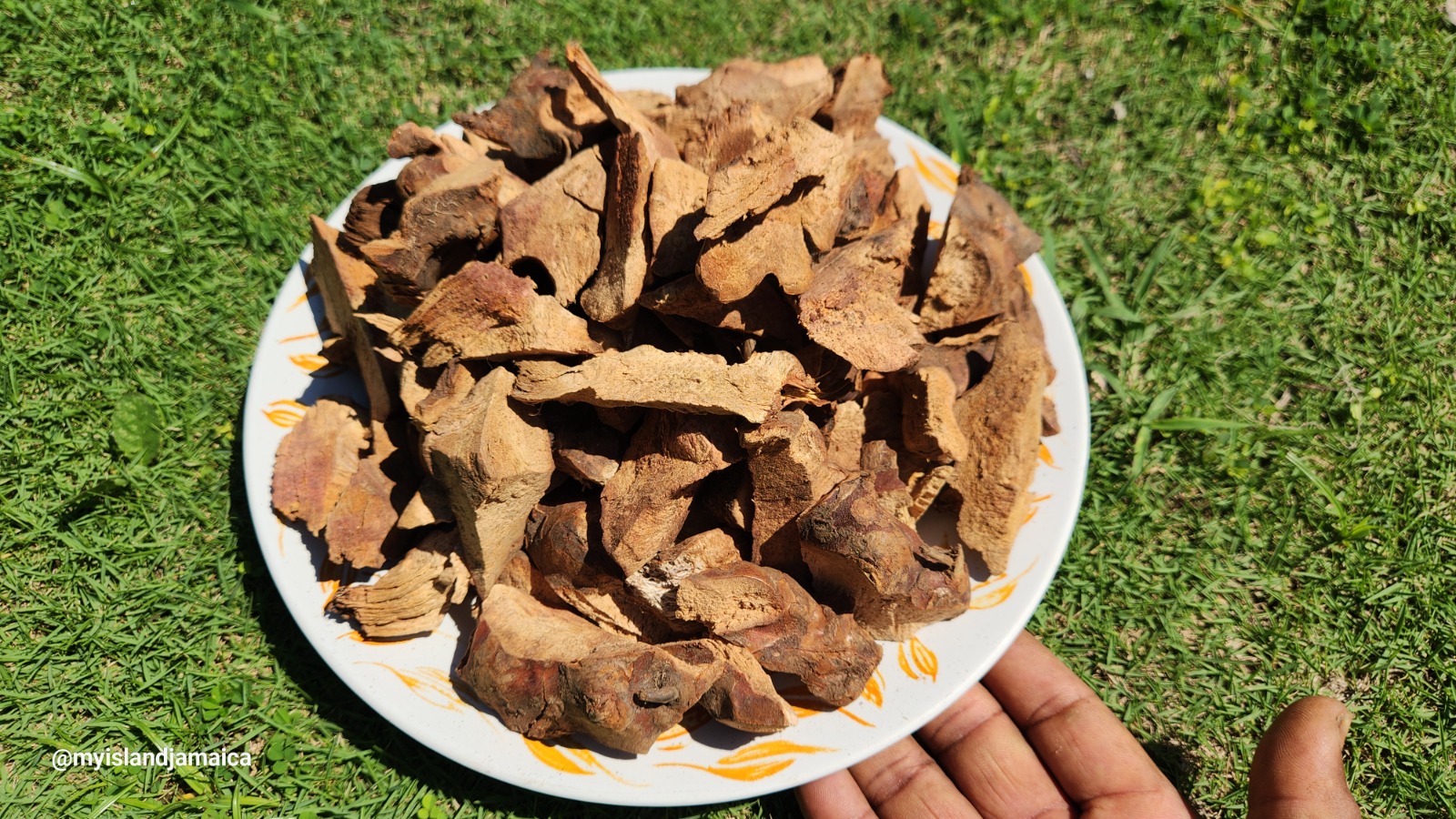
If you’re new to chaney root, the photos of the whole root and the cut pieces will help you recognise it much more easily.
How I Made My Chaney Root Tea
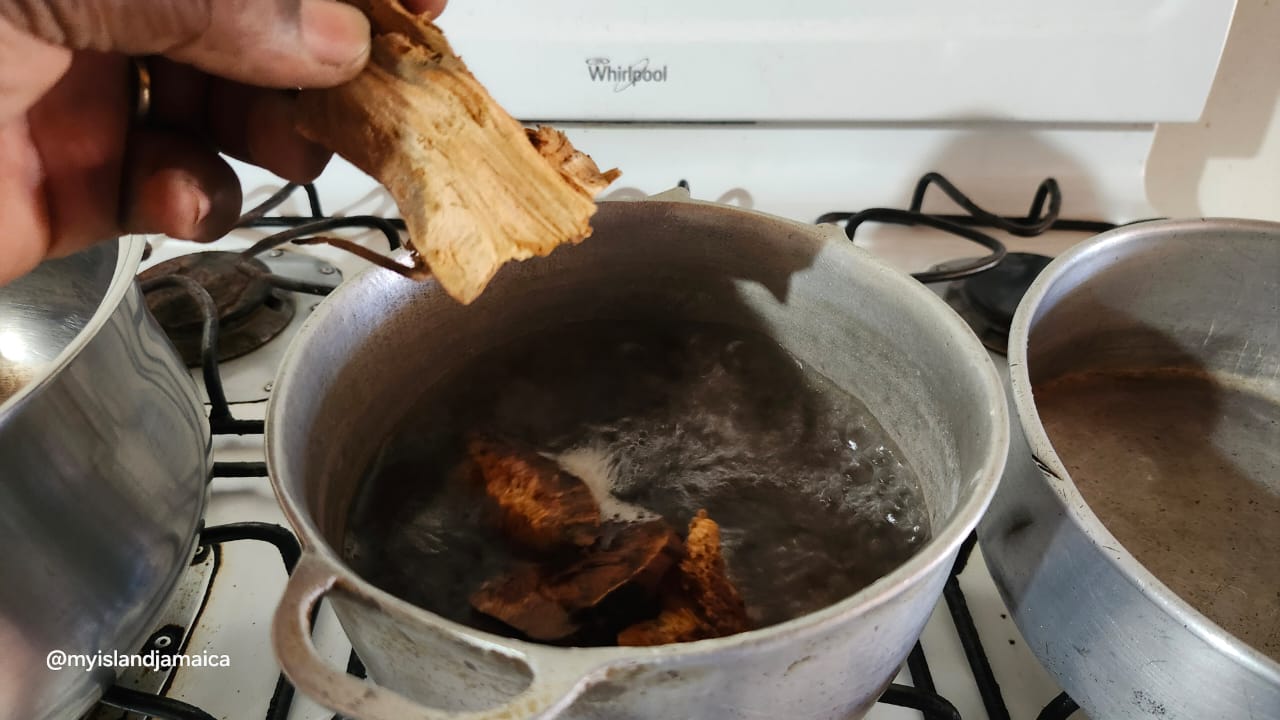
Since I had fresh chaney root on hand, I decided to make tea before finishing this article.
It was simple.
I put pieces of the chaney root into boiling water and let it cook properly so the water could pull out the goodness from the woodier parts. After that, I strained and sweetened it.
In my case, I used Lasco (a soy based sweeter) to sweeten it, and I thoroughly enjoyed the result.
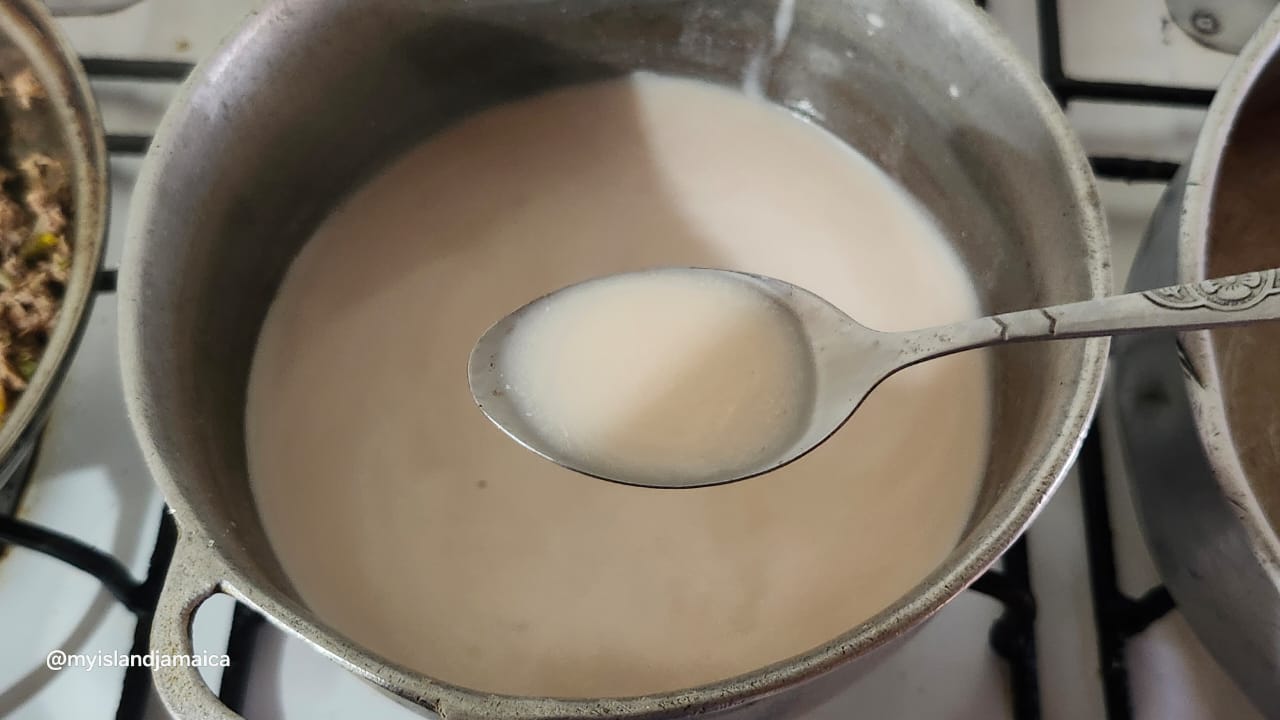 Sweetened Chaney Root Tea
That fresh cup made the article feel even more personal to me, because I wasn’t writing only from memory or general knowledge - I was literally drinking chaney root tea the same day!
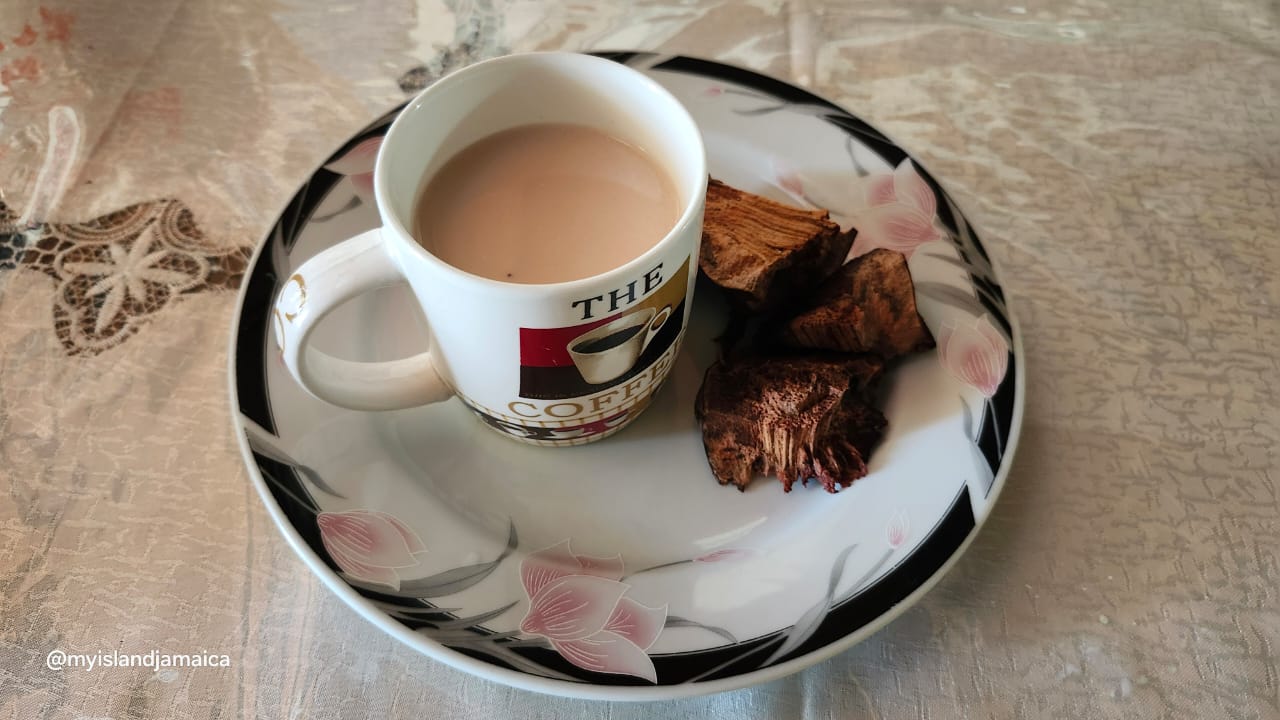
Yes, I know, a little 'show off' is good!
My basic preparation (for the cut pieces) was this:
- Wash the chaney root pieces.
- Put a few pieces into a pot of water.
- Boil well and allow it to simmer.
- Strain.
- Sweeten to taste if desired.
- Drink warm.
As with many Jamaican herbal teas, there isn’t always one rigid method. Some people boil it stronger, some lighter, and some combine it with other herbs. In fact, for some of us, we repeat the boiling of some roots to get even more out of it.
Will I be doing that with my latest batch of chaney root?
You bet😁
Is Chaney Root Only Used in Tea?
Oh no!
These days, chaney root is used in several forms.
Besides its traditional use in roots tonics, it can also be prepared as:
- dried pieces for boiling
- powdered herb
- tea bags
- capsules
That is one reason interest in it has remained strong. Not everybody wants to boil a pot of roots, so more convenient forms make it easier for people to use the herb in everyday life.
Is Chaney Root Found Everywhere in Jamaica?
Not exactly.
From what I’ve seen and heard, chaney root is often associated with more remote, hilly or forested areas, which is one reason people value it so much.
That’s why I was so happy when my uncle told me he got it from Pinnock Wood (PinnyCould). There is something special about knowing that one of Jamaica’s best-loved herbs is still being found in country areas like that.
A Word of Balance though: As a herbal enthusiast, I believe strongly in the value of herbs and traditional knowledge. But at the same time, it helps readers when we speak responsibly.
So I would put it this way; yes, chaney root has a very strong traditional reputation and we value it highly here. It also has an established place in roots tonics and herbal use. But I'd suggest, as with any other herbs, that if anyone has a serious medical condition, or who is pregnant, nursing, or taking medication, please be sensible and get proper advice before using it, or any herb, regularly
This is not to diminish herbs at all; it is simply to respect them enough to use them wisely.
That said, I'm heading back downstairs, to have the rest of my chaney root tea!
Regards,
Wellesley
P.S. If you enjoy learning about Jamaican herbs, you may also want to try the chaney root products in my e-store, especially if you prefer a more convenient option like tea bags or capsules rather than boiling the raw root yourself.
P.P.S. I also have chaney root in my 101 medicinal herbs of Jamaica, a free article; check it out here.
New! Get My Latest Book👇🏿
 |
You asked, I've answered! You no longer need to save for months or years, to enjoy paradise! I spilled the beans! sharing my top tips on finding cozy accommodations and secret gems, only the way a native could! Click Here to pick it up on my e-store and start saving now! |
See The Best Of Jamaica - In Videos!
 |
My channel reaches over 140,000 subscribers worldwide and has leveraged over 11 million views, sharing, what I call 'The Real Jamaica'. Subscribe today and join our family of viewers. |

Read More ...
New! Experience The REAL Jamaica!
Book Your Private Tour here and experience Jamaica the way we (locals) do!
P.S. Didn't find what you were looking for?
Still need help?
Click Here to try our dependable and effective Site Search tool. It works!
Or, simply click here and here, to browse my library of over 500 questions and answers! Chances are someone already asked (and got an answer to) your question.






Featured Video!

Travelling To Jamaica?
Read this BEFORE you go
👇🏿

New Here?
I recommend you START HERE to enjoy the best of this website!
New! For Authentic Jamaican products, from my very own hands, visit my Etsy store here.
Recent Articles


-
What Is Chaney Root? Jamaican Uses, Tea & Sarsaparilla
Oct 29, 26 04:14 PM
 What is chaney root? Learn its traditional Jamaican uses, how it differs from sarsaparilla and roots mixes, and how I made chaney root tea.
-
Hurricane Melissa in Jamaica: One Year Later
Oct 28, 26 01:30 PM
 Hurricane Melissa in Jamaica, one year later: my firsthand look at the devastation, relief efforts and families still struggling to recover.
-
Ocean Coral Spring Jamaica | Our Stay & Honest Review — Recommended
Oct 26, 26 03:38 PM
Our ocean coral spring Jamaica stay included a rooftop Jacuzzi, lazy river, good food and friendly staff. See why we'd happily return. -
Patois Phrases in Jamaica | What Jamaicans Really Say
Oct 23, 26 11:14 PM
 Learn common patois phrases in Jamaica, what they really mean and when to use them, from greetings and food to everyday Jamaican expressions.
-
Packing List for Jamaica | What to Bring & What to Leave Home
Oct 23, 26 12:48 AM
 Use this packing list for Jamaica to know what clothes, shoes, documents, beach gear and essentials to bring -and what you can safely leave at home.






About The Author

A patriotic Jamaican who adores its culture, Wellesley has been using this medium to share what he calls 'the uniqueness of Jamaica with the world' since April 2007.
To date, he serves over 9,300 unique readers / viewers per day (and over 1.1millon page views monthly)
His efforts have earned this site featured positions in local publications, including the Jamaica Gleaner's Hospitality Jamaica, Carlong Publishers, as well as recognition from numerous prestigious international agencies and universities. Read more about him here.
He invites you to explore his books and subscribe to this site to stay updated on all the latest here on site.
You are also welcome to check out his unique Jamaican products on his e-store.
If you are on social media, here are the links to follow his latest posts: