Subscribe for all my updates and don't miss a thing! Sign me up!
The Beautiful
Jamaican Boa Snake
Sharing Is Caring! Share this awesome content with your friends now.

New! See the real Jamaica in VIDEOS!
Click Here and see why over 140,000 fans are raving about my YouTube Channel!
 |
 |
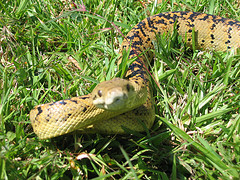
The Jamaican Boa or yellow snake - as we call it, lives primarily in our limestone areas. According to NEPA, it can also be found in dry scrub lands forests of the southern coasts.
New! How much do you love Jamaica?
Join our growing list of well-thinking Jamaica-loving folks who are demonstrating what a friendly, helpful and fun Jamaican community looks like. Click Here to learn more.
And, if you ever need a trustworthy and knowledgeable local guide, consider booking a private tour with us!
It's average length is about 2 meters or 6 feet, 6 inches. It is at a very high risk of extinction and therefore has been designated an endangered specie.
Contrary to many popular belief, this gorgeous snake is not poisonous - meaning it is not a threat to us humans.
I must point this out as many of us - including myself in the past, dreadfully feared this beautiful creature and, typical of adventurous young boys, celebrate the killing of an innocent young one - or any other snake.
We ran into quite a few back in my little rural district in Westmoreland.
Whatever we could find we used to corner it, kill it and pound it! Sometimes we would even walk around with it as some sort of victory parade.
Thankfully, I am older and wiser now!
I learned that not only is this snake not a threat to us, it may be highly beneficial to us!
In addition to the birds and other small animals, rats forms a decent part of its diet, and we all know the impact rats can have on the produce of farmers right?
So to the farmers rescue... the Jamaican Boa! :-)
On a more serious note though, the survival of this beautiful snake is threatened because of deforestation, the burning of the sugar cane fields and still, the false belief that they are dangerous to us.
There are a few initiatives however to stem these realities. According to Nepa it is protected under the following laws and conventions:
- Listed under Appendix 1 of the Convention on International Trade of Endangered species of Wild Fuana and Flora.
- Hunting in Forest reserves is also prohibited under the Forest Act (1996).
- Listed as a Protected species under the Wild Life protection Act (1945).
Laws are good, however, it will take more education and awareness to ensure that we protect this attractive and rare gift.
By the way, its scientific name, according to Wikipedia, is Epicrates Subflavus, how could I miss that?
Pages Related To Jamaican Boa
- Jamaican Iguana
- Jamaican Plants
- The Jamaican Hummingbird
- The map of Jamaica
- Profile of Jamaica
- Local Services
Make sure you subscribe to my free monthly e-zine My Island Jamaica Digest (MIJD) and stay with the latest from Jamaica!
Didn't find exactly what you were looking for?
Do a quick search of the entire site.
Return to Plants and Animals in Jamaica from The Jamaican Boa Return to Homepage from The Jamaica Boa Snake
New! Get My Latest Book👇🏿
 |
You asked, I've answered! You no longer need to save for months or years, to enjoy paradise! I spilled the beans! sharing my top tips on finding cozy accommodations and secret gems, only the way a native could! Click Here to pick it up on my e-store and start saving now! |
See The Best Of Jamaica - In Videos!
 |
My channel reaches over 140,000 subscribers worldwide and has leveraged over 11 million views, sharing, what I call 'The Real Jamaica'. Subscribe today and join our family of viewers. |

Read More ...
New! Experience The REAL Jamaica!
Book Your Private Tour here and experience Jamaica the way we (locals) do!
P.S. Didn't find what you were looking for?
Still need help?
Click Here to try our dependable and effective Site Search tool. It works!
Or, simply click here and here, to browse my library of over 500 questions and answers! Chances are someone already asked (and got an answer to) your question.






NEW!
Join the growing list of well-thinking, Jamaica-Loving folks in our vibrant Private Community
👇🏿

Featured Video!

Travelling To Jamaica?
Read this BEFORE you go
👇🏿
New Here?
I recommend you START HERE to enjoy the best of this website!
New! For Authentic Jamaican products, from my very own hands, visit my Etsy store here.
Recent Articles


-
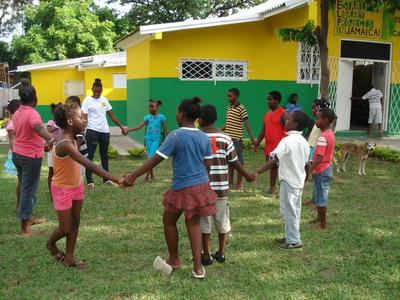
10 Popular Jamaican Ring Games | Jamaican Children Games
May 05, 24 12:06 AM
 What are the most loved Jamaican ring games? I have a list of the top 10 for you!
 -
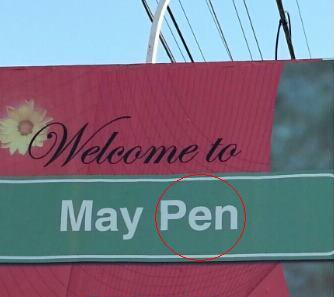
Places with 'Pen' names in Jamaica - What with them? How Many Are There?
May 04, 24 11:55 PM
 QUESTION about: Place Names In Jamaica How many more places in Jamaica have the word Pen included in them? What is its significance in Jamaican place
 -
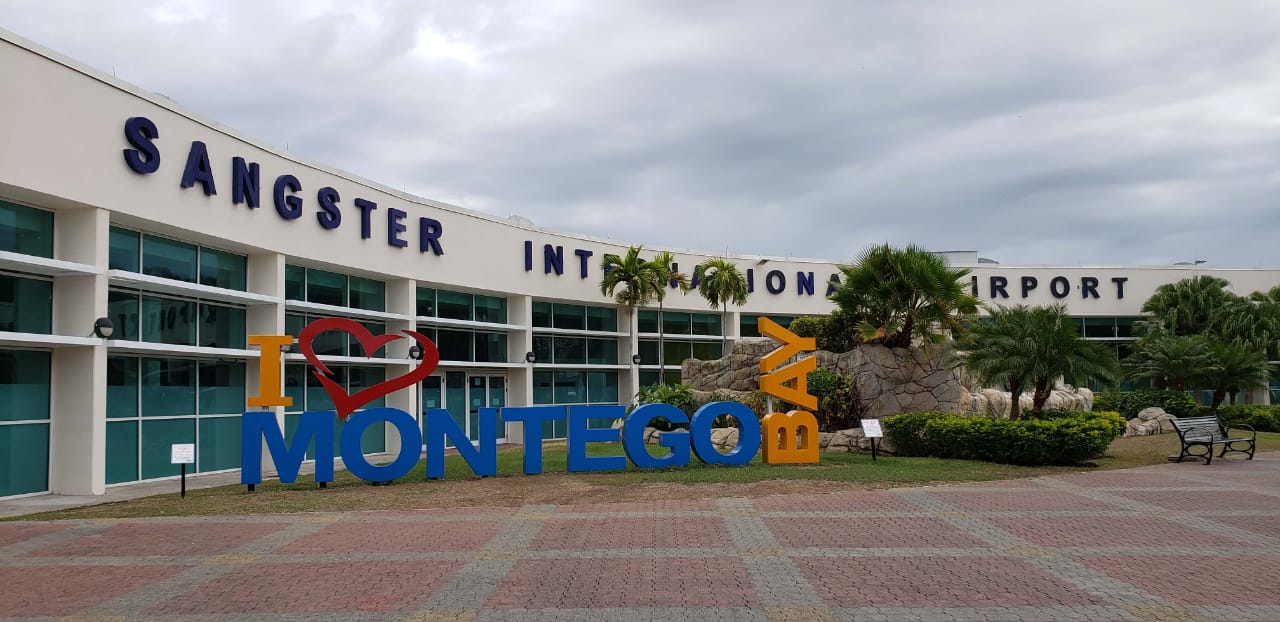
How To Become A Flight Attendant In Jamaica?
May 01, 24 08:59 PM
 Wondering how to become a flight attendant in Jamaica? The perfect career for those who dream of travelling across the globe for a living.
 -
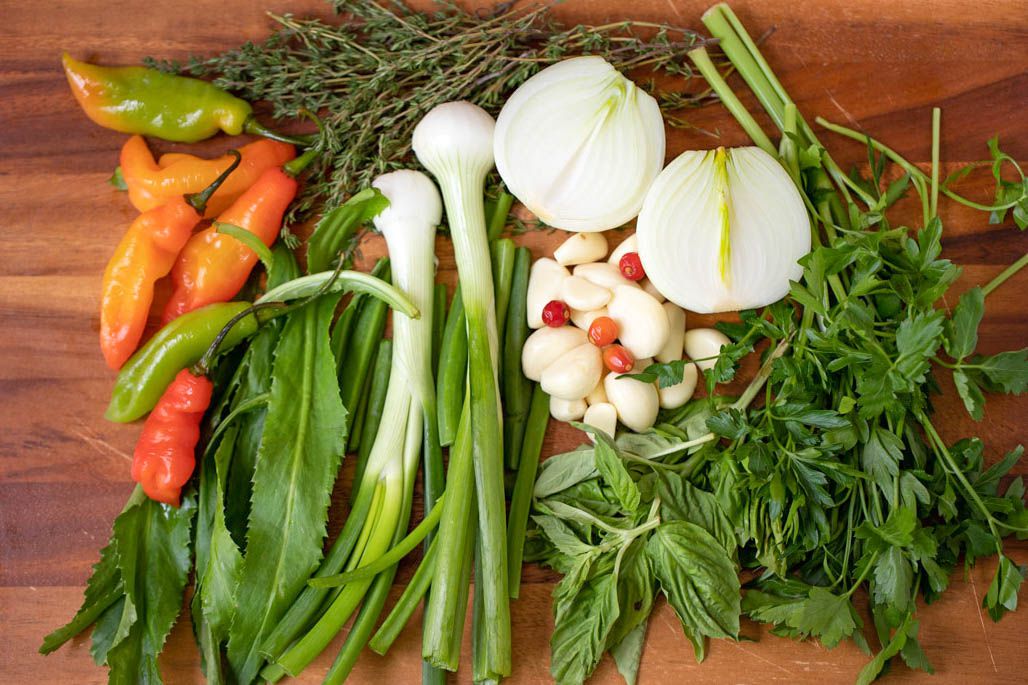
Jamaican Green Seasoning Recipe|Required For Authentic Jamaican Dishes
Apr 30, 24 11:05 AM
 If your Jamaican dishes haven't been turning out just right, you might be missing 1 key ingredient. Try this Jamaican green seasoning recipe!
 -
Seville Great House Jamaica | Historical Site And Park
Apr 26, 24 12:52 PM
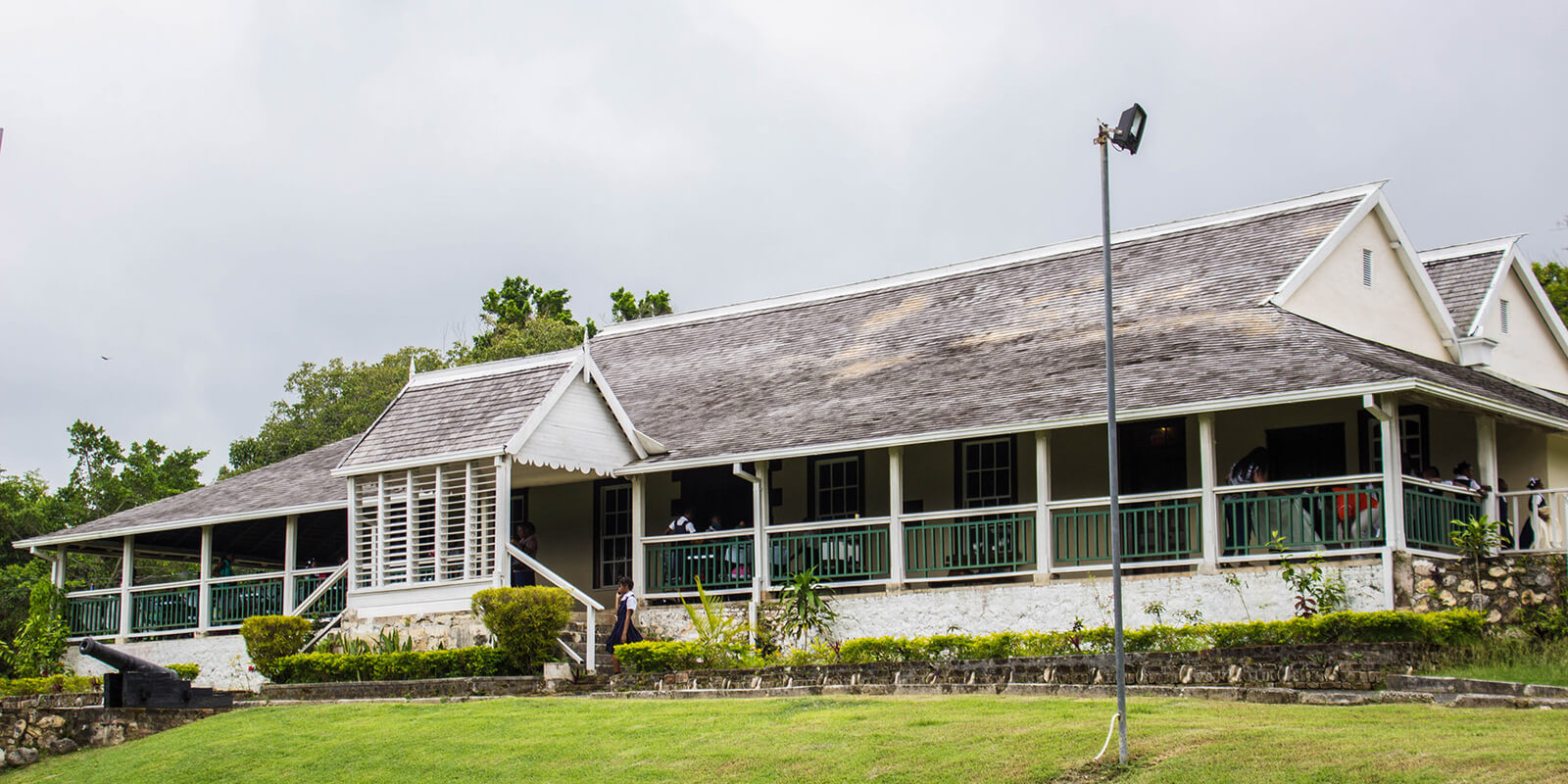
 Ahh, the Seville Great House Jamaica. The building holds great significance to Jamaican history and culture, so why not take a look around yourself?

About The Author

A patriotic Jamaican who adores its culture, Wellesley has been using this medium to share what he calls 'the uniqueness of Jamaica with the world' since April 2007.
To date, he serves over 9,300 unique readers / viewers per day (and over 1.1millon page views monthly)
His efforts have earned this site featured positions in local publications, including the Jamaica Gleaner's Hospitality Jamaica, Carlong Publishers, as well as recognition from numerous prestigious international agencies and universities. Read more about him here.
He invites you to subscribe to this site to stay updated on all the latest and check out his unique Jamaican products on his e-store.
If you are on social media, here are the links to follow his latest posts:
You are also invited to join his exclusive JAMHearts community where like-minded Jamaican enthusiasts discuss all things Jamaican.
Didn't Find What You Are Seeking?
Do a quick site search here:
New! Comments
Have your say about what you just read! Leave me a comment in the box below.