Subscribe for all my updates and don't miss a thing! Sign me up!
The History Of Jamaica
From Taino To Independence
Sharing Is Caring! Share this awesome content with your friends now.

New! See the real Jamaica in VIDEOS!
Click Here and see why over 140,000 fans are raving about my YouTube Channel!
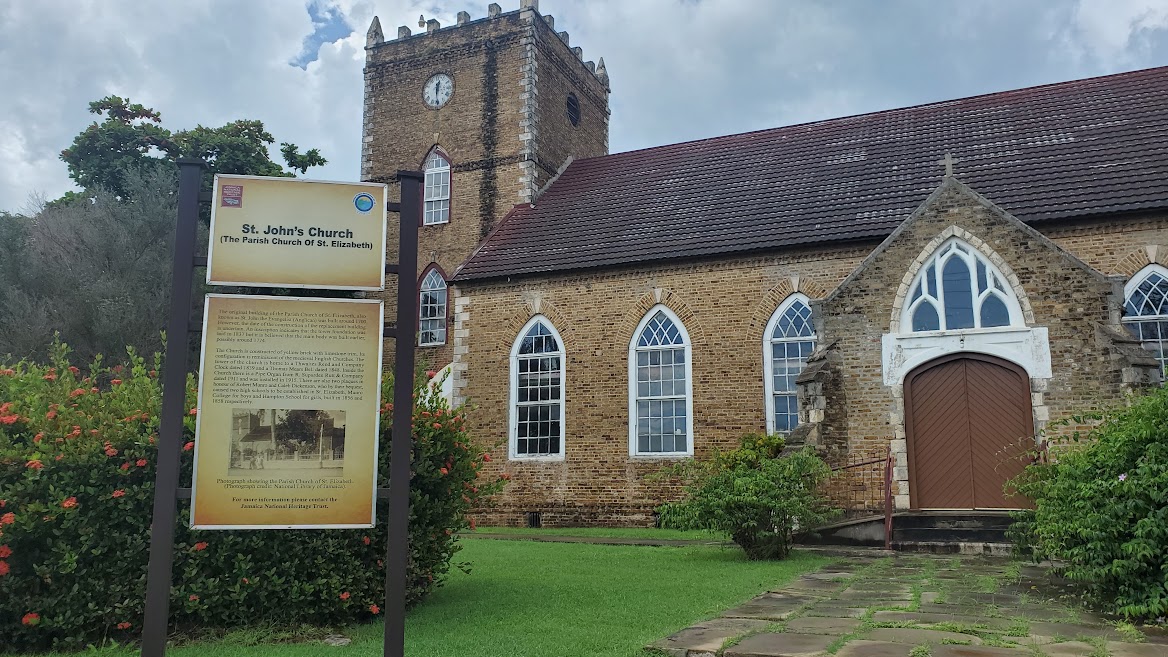
The ancient history of Jamaica is vague, but we do know enough of perhaps what we need.
And much appreciation and thanks to Mammy and Nana my belated great grand mothers, I garnered valuable knowledge in relation to Jamaica's post-emancipation history and the dynamics of life then as well.
New! How much do you love Jamaica?
Join our growing list of well-thinking Jamaica-loving folks who are demonstrating what a friendly, helpful and fun Jamaican community looks like. Click Here to learn more.
And, if you ever need a trustworthy and knowledgeable local guide, consider booking a private tour with us!
This proved an invaluable supplement my high school, college, and later independent studies on Jamaica's history.
The Arawaks (Tainos) were the earliest recorded settlers in this blessed island. They were a sea-loving, kindhearted and dutiful tribe that migrated from Latin America -who probably were trying to evade the jaws of the Caribs - who were carnivorous.
They made a lasting impression on the history of Jamaica- as you will later learn, especially on language, culture and food.
The lived a very organized way of life that featured religion, politics and other social structures-albeit not as complex as we claim to have in Jamaica now.
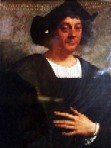
And in 1494, the Spanish explorer, Christopher Columbus found these warm-hearted people on the island when he 'discovered' Jamaica.
Sadly though, they were brainwashed and exploited and they quickly diminished. Incidentally, Jamaica became a colony of Spain officially in 1509.
 |
 |
|
On May 10, 1655, though the English, under the leadership of Sir William Penn conquered a depleted Spanish fleet and took the island from them. The Spanish, we understood, offered very little resistance.
New! See Place Names In Jamaica based on ethnic association.
During the latter part of the 17th Century, the agricultural sector blossomed, particularly with respect to produce such as cocoa and sugar cane.
This led to the necessity for increased labour. The English turned to the importation of slaves from the African continent, this continued despite growing opposition to the idea of slavery.
The Trans-Atlantic Slave trade was outlawed in 1807 and slavery was eventually abolished in 1838. This monumental achievement (abolition of slavery) brought increased unrest as a result of the new found freedom.
Jamaica would have recorded minor and major uprisings in the island. Two of the larger ones were the 1865 Morant Bay rebellion and the 1938 sugar riots (More on the key events here).
At the hearts of the riots were concerns over rights, working conditions and improvement in the standard of living.
After the 1938 riots a new Jamaica began to evolve, political consciousness was at an all time high.
The two now major political parties were soon established-The Jamaica Labour Party and The Peoples' National Party.
The country lobbied for independence from British rule and in August 1962, Jamaica raised its own national flag! A defining moment in the history of our country.
Alexander Bustamante was installed as the first prime minister of Jamaica.
Since then, control of the government has changed hands only between these two traditional parties.
Today, we have many informal (and formal) public debates as to which party brought improvement (economic, social, political etc.) to Jamaica.
The sad truth though is that we are still very far way from where we might have been, considering the abundance of natural resources, our strategic location, and the warm spirit of our people.
Remember to read my article on the key moments, or should I say, the significant dates and events in Jamaica's history.
We have also accomplished quite a lot since our Independence, check out a few of our historic moments and events since 1962.
Recommended: Learn about Jamaica's History against subjugation, injustice, economic deprivation and the fight for full freedom by Sherlock and Bennett in...
The Story Of The Jamaican People
The Story of the Jamaican People is the first general history of Jamaica to be written in almost 40 years.
It differs significantly from earlier "imperial" histories which have been written from the perspective of the coloniser and which have relegated Jamaicans to an inferior and passive role.
In this book, the authors offer a new interpretation of Jamaica's history, recounting the epic resistance to slavery; from the acts of sabotage on the estates, the legendary exploits of Maroon heroes Cudjoe, Nanny (one of your National Heroes), and Tacky, to the final blow delivered by Sam Sharpe which ended slavery in Jamaica. Click Here To Read More About The Story Of The Jamaican People At Amazon.com
See also: The Early History Of Jamaica
- Currency Of Jamaica
- Historical Sites in Jamaica
- Cool Facts About Jamaica
- Jamaican Proverbs
- Vacation in Jamaica
- Historical Sites in Jamaica
- Cool Facts About Jamaica
- Jamaican Proverbs
- Vacation in Jamaica
You might like these
Rolling Calf | Tales of A Jamaican Ghost (Duppy)
Do you know what a duppy is? If you don’t, then you will not know what a rolling calf is. Let me tell you what it is and how to get away from one just in case.
Why Do Jamaicans Wear Green Yellow And Red?
The vibrant colours of green, yellow and red are tied to Jamaican culture. Why do Jamaicans wear green yellow and red? What makes these colours so important?
Jamaican Leap Year Traditions
Unveiling Jamaican Leap Year Traditions: Superstitions, Celebrations, and More


Sharing IS Caring! Please help me get the message out by sharing this article with your friends on social media (links below). Thnx ;-)
If you found this page useful, please consider subscribing to my weekly newsletter, to get even more.
It tells you each week about the new information that I have added, including new developments and great stories from lovers of Jamaica!
Sharing IS Caring! Please help me get the message out by sharing this article with your friends on social media (links below). Thnx ;-)
If you found this page useful, please consider subscribing to my weekly newsletter, to get even more.
It tells you each week about the new information that I have added, including new developments and great stories from lovers of Jamaica!
Return to Jamaican Culture from History of Jamaica
Return to My Island Jamaica Homepage from History of Jamaica
References & Sources For History of Jamaica
- What did the different ethnic groups bring to Jamaica?,https://www.my-island-jamaica.com/what-did-the-different-ethnic-groups-bring-to-jamaica.html
- Jamaica – The Foods We Like And Where They Came From, https://www.my-island-jamaica.com/jamaica-the-foods-we-like-and-where-they-came-from.html
New! Get My Latest Book👇🏿
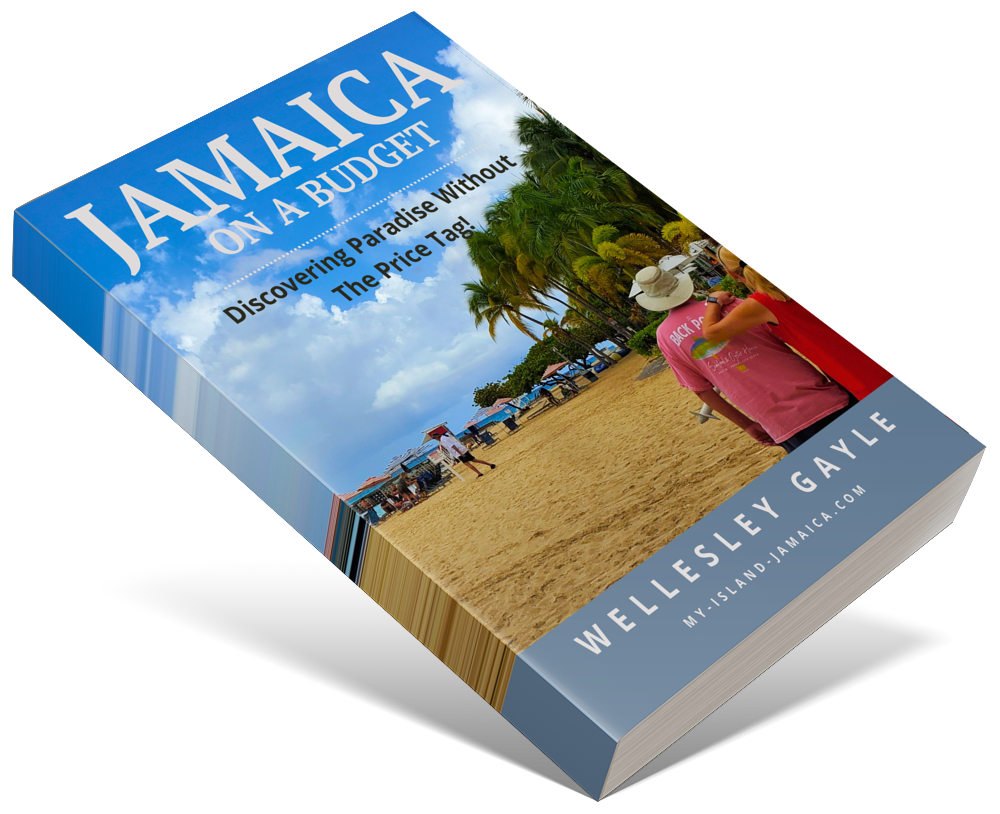 |
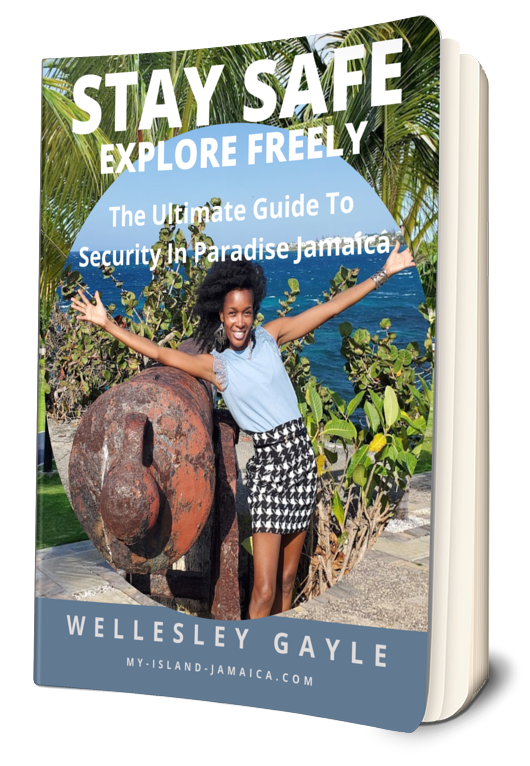
You asked, I've answered! You no longer need to save for months or years, to enjoy paradise! I spilled the beans! sharing my top tips on finding cozy accommodations and secret gems, only the way a native could! Click Here to pick it up on my e-store and start saving now! |
See The Best Of Jamaica - In Videos!
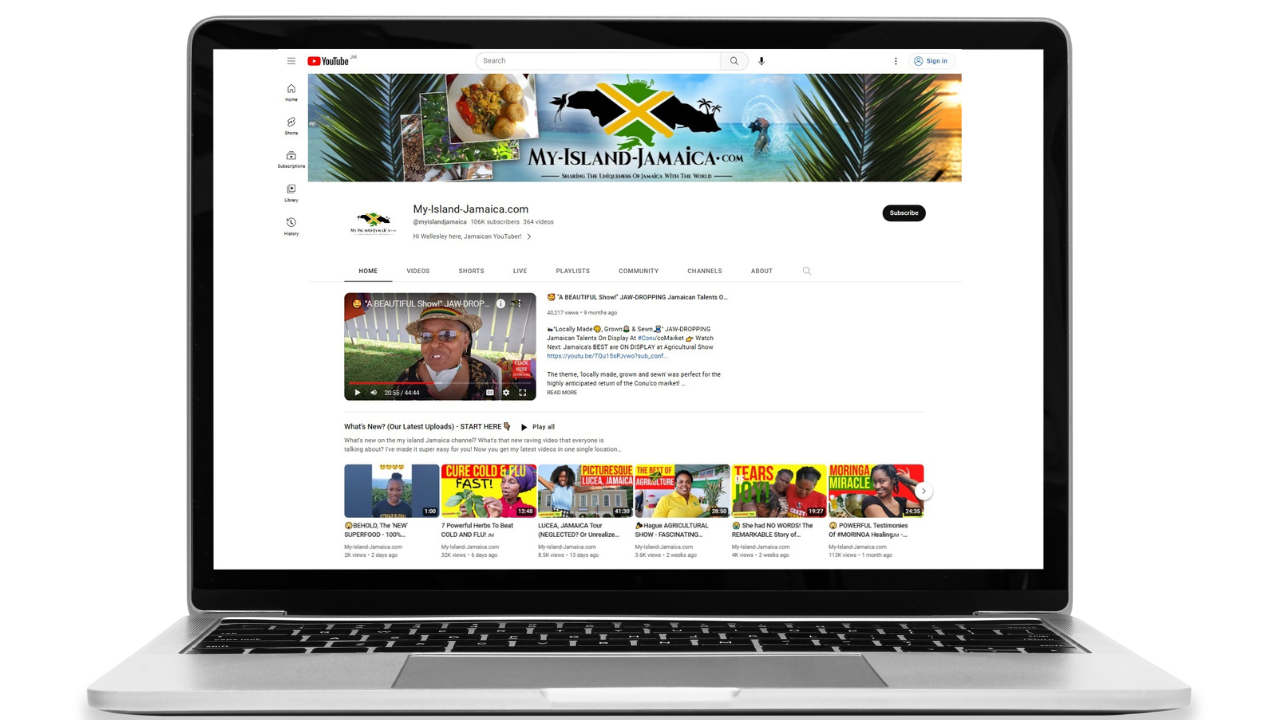 |
My channel reaches over 140,000 subscribers worldwide and has leveraged over 11 million views, sharing, what I call 'The Real Jamaica'. Subscribe today and join our family of viewers. |

Read More ...
New! Experience The REAL Jamaica!
Book Your Private Tour here and experience Jamaica the way we (locals) do!
P.S. Didn't find what you were looking for?
Still need help?
Click Here to try our dependable and effective Site Search tool. It works!
Or, simply click here and here, to browse my library of over 500 questions and answers! Chances are someone already asked (and got an answer to) your question.






NEW!
Join the growing list of well-thinking, Jamaica-Loving folks in our vibrant Private Community
👇🏿
Featured Video!

Travelling To Jamaica?
Read this BEFORE you go
👇🏿
New Here?
I recommend you START HERE to enjoy the best of this website!
New! For Authentic Jamaican products, from my very own hands, visit my Etsy store here.
Recent Articles


-
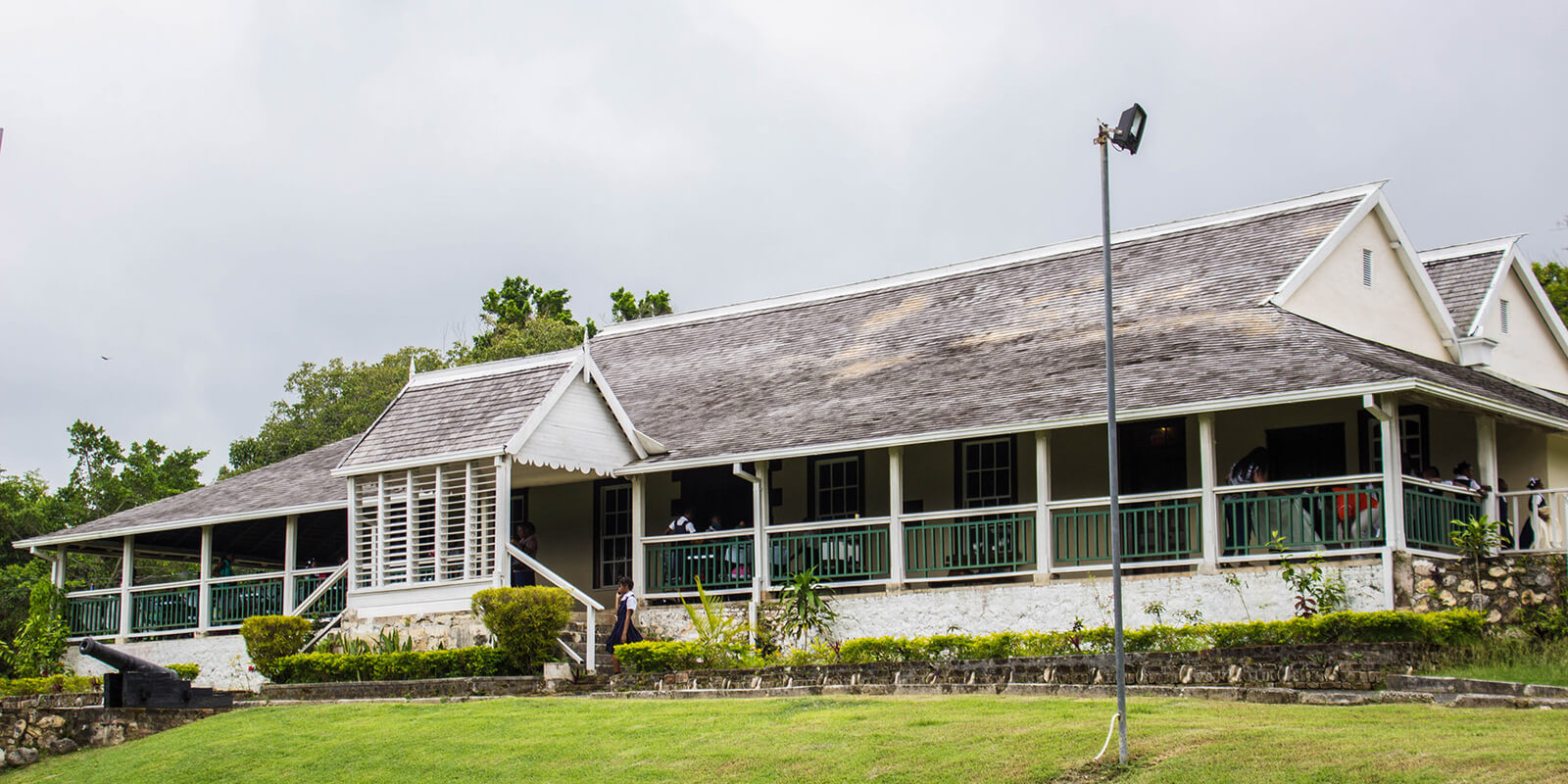
Seville Great House Jamaica | Historical Site And Park
Apr 26, 24 12:52 PM
 Ahh, the Seville Great House Jamaica. The building holds great significance to Jamaican history and culture, so why not take a look around yourself?
 -
How Much Is Property Tax In Jamaica?
Apr 25, 24 08:46 PM
 Purchasing your own land is a major accomplishment but the thought of paying property tax can be daunting. How much is property tax in Jamaica by the way?
 -
How To Apply For An H2B Visa In Jamaica?
Apr 25, 24 02:07 PM
 For many Jamaican locals and H2B visa is the key to their dreams. Ready to take on that journey? This is how to apply for an H2B visa in Jamaica.
 -
Medical Scholarships in Jamaica
Apr 23, 24 04:21 PM
 Pursuing a career in medicine is a noble aspiration, however it is quite expensive. These medical scholarships in Jamaica helps to ease the financial burden.
 -
Why Do People Like Jamaica So Much?
Apr 23, 24 03:00 PM
 Jamaica is one of the top vacation destinations in the Caribbean, which may have you wondering, why do people like Jamaica so much?



About The Author
A patriotic Jamaican who adores its culture, Wellesley has been using this medium to share what he calls 'the uniqueness of Jamaica with the world' since April 2007.
To date, he serves over 9,300 unique readers / viewers per day (and over 1.1millon page views monthly)
His efforts have earned this site featured positions in local publications, including the Jamaica Gleaner's Hospitality Jamaica, Carlong Publishers, as well as recognition from numerous prestigious international agencies and universities. Read more about him here.
He invites you to subscribe to this site to stay updated on all the latest and check out his unique Jamaican products on his e-store.
If you are on social media, here are the links to follow his latest posts:
You are also invited to join his exclusive JAMHearts community where like-minded Jamaican enthusiasts discuss all things Jamaican.
Didn't Find What You Are Seeking?
Do a quick site search here:
New! Comments
Have your say about what you just read! Leave me a comment in the box below.